

Bathroom Bath Chair Services That Make Daily Living Safer and Easier
2026-08-26
Reaching for a slippery grab bar or lowering yourself into the tub shouldn't feel like a daily risk. The right bathroom bath chair—installed and fitted by professionals who understand mobility—transforms a routine shower into a moment of independence. At Suncare, we pair durable equipment with hands-on service to make bathrooms safer without sacrificing comfort. Here's what to look for when choosing bath chair services that truly support daily living.
Why Bathroom Safety Starts with the Right Chair, Not Just Any Chair
A bathroom chair isn't just another piece of furniture—it's the one object you rely on when balance, strength, or mobility feel uncertain. The right chair accounts for how you shift weight from standing to sitting, how wet surfaces change grip, and how a small slip can turn into a serious fall. Ordinary chairs with smooth legs, low seats, or narrow bases simply weren't built for that kind of load, especially on tile or vinyl flooring that becomes slick after a shower.
What separates a purpose-built safety chair from a generic one comes down to details that are easy to overlook until you need them. Textured or rubberized feet resist sliding, a slightly higher seat height reduces the strain of lowering yourself down, and materials that drain water or resist rust hold up in constant humidity. These aren't cosmetic upgrades—they're the difference between feeling steady and bracing for impact every time you enter the bathroom.
Choosing a chair designed for the bathroom also means thinking about who will use it and how. A person recovering from surgery may need armrests to push off from, while someone with balance issues might benefit from a wider base and a contoured seat that keeps hips from shifting. When the chair matches the actual demands of the room and the user, it stops being just any chair and becomes a quiet, reliable part of daily safety.
Choosing a Bath Chair That Fits Your Tub, Shower, and Mobility Needs
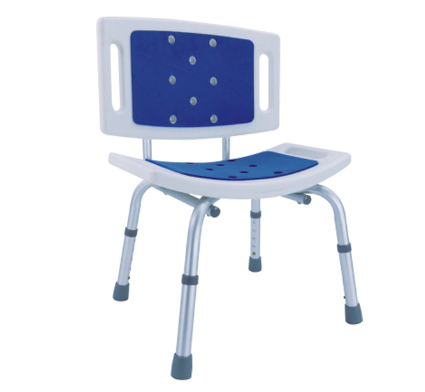
Finding the right bath chair often comes down to measuring the space you already have. A chair that fits neatly inside your tub or shower stall makes transfers easier and reduces the risk of slipping. Start by checking the width of your tub’s flat bottom or the shower base, since many standard chairs have legs that spread wider than the seat itself. If you have a curved tub or a narrow stall, look for models with adjustable legs or a narrower footprint rather than forcing a universal fit.
Mobility needs should shape the chair’s height and support features. For people who can stand but have balance issues, a lower seat around 16 to 18 inches off the floor may work fine. For those who need help rising from a seated position, chairs with armrests or a slightly taller seat height reduce strain on knees and hips. Also consider whether the chair will be used for bathing only or for showering while seated — shower chairs with drainage holes and non-slip rubber tips perform better on wet surfaces than tub benches with flat legs.
Finally, match the chair to the type of bathing you actually do. If you step over a high tub wall, a transfer bench with two legs inside and two outside the tub gives you a stable place to sit before swinging your legs over. For a walk-in shower, a simple backless stool might feel less bulky and easier to pivot on. In either case, check the weight capacity and make sure all contact points — feet, seat, and backrest if included — are made from materials that resist mildew and can handle daily exposure to soap and water.
Simple Installation Steps That Avoid Common DIY Frustrations
Most installs derail because people skip the dry-run. Before drilling, tape a paper template or mark every mount point with painter’s tape, then hang the item on temporary hooks for a few hours. You’ll spot uneven spacing, a stud that doesn’t line up, or a height that feels off long before you’ve made permanent holes.
Next, match the anchor to the wall instead of hoping the wall will cooperate. Drywall alone can’t hold much, so use a magnetic stud finder for anything heavier than a small frame. If the stud isn’t where you want it, choose a toggle anchor rated for at least double the item’s weight, and drill the pilot hole just under the anchor’s collapsed width for a tight grip.
When it’s time to drive screws, set your drill to low torque and finish the last turn by hand. Overdriving strips the anchor or cracks the plaster, leaving you with a loose, wobbling mount. If a screw spins without biting, back it out and swap in a larger anchor instead of forcing it—five minutes of patience beats an afternoon of patching.
Daily Use Habits That Reduce Strain and Keep You Independent
Small shifts in how you move through ordinary tasks can make a surprising difference. Instead of bending from the waist to pick up a dropped item, try a lunge or squat—keeping your back long and letting your legs do the work. When carrying groceries, split the load into two lighter bags rather than one heavy one, and hold them close to your body. Even the way you stand from a chair matters: slide forward to the edge, plant your feet firmly, and push up through your heels while keeping your chest tall. These micro-adjustments don't require extra time or equipment, yet they spare your joints from repeated strain and help you stay self-reliant longer.
Another habit that pays off is rethinking daily routines that force you into awkward positions. For instance, if you find yourself reaching high for dishes or tools, keep a sturdy step stool nearby instead of stretching on your toes. In the kitchen, place frequently used pots and pans on lower shelves, but not so low that you have to crouch deeply. When you need to turn while holding something, pivot your feet rather than twisting your spine. These choices might feel trivial at first, but over weeks and months they distribute physical stress more evenly, reducing the likelihood of sharp pain or gradual wear that can limit mobility.
Finally, build in tiny rest breaks during repetitive tasks. If you spend ten minutes folding laundry, pause halfway to roll your shoulders back and take three slow breaths. When gardening or doing light yard work, switch your grip or stance every few minutes and avoid staying bent over for long stretches. If you sit at a desk, use a timer to stand up and move for sixty seconds each hour—not for exercise, but simply to reset your posture and soften any tension. The goal isn't to avoid activity; it's to approach daily life with a quiet awareness that protects your body's capacity. Independence thrives when you listen to small signals and adjust before discomfort becomes a limitation.
Cleaning and Maintenance Made Manageable for Everyday Life
Keeping a home tidy doesn't have to eat up your weekends. A few small habits, like wiping down the kitchen counter after each meal or giving the bathroom sink a quick rinse before bed, can prevent grime from building up in the first place. When cleaning feels like a series of tiny tasks instead of one massive chore, it stops being something you dread.
For bigger areas, break the work into short daily sessions. Maybe you spend ten minutes on Monday vacuuming the living room, then another ten on Wednesday tackling the stovetop. Setting a timer makes it easier to start, and you'll be surprised how much you can get done before it beeps. Rotate through rooms so nothing gets neglected for too long.
Maintenance is where a little foresight pays off. Check for drips under the sink, replace air filters before they clog, and wipe down appliance seals once a month. These small acts keep your home running smoothly and save you from expensive repairs or deep-cleaning marathons later. Over time, this rhythm becomes second nature, leaving you more energy for the parts of life you actually enjoy.
How Families Feel the Difference When Bathing Becomes Less Stressful
The evening routine used to begin with a knot in someone's stomach. Now, the bathroom door stays open longer, and the sound of water running doesn't trigger a silent countdown. A mother mentions she no longer braces herself for the slip-risk shuffle from tub to towel. Instead, warm towels sit on a nearby stool, a grab bar is exactly where her hand expects it, and the shampoo bottle no longer tumbles into the tub. The kids notice too—they don't hover in the hallway waiting for a call for help. The whole house exhales.
That small shift changes how families talk to each other after seven p.m. A husband can finish the dishes without interrupting his wife mid-shampoo. A daughter can read a bedtime story to her little brother instead of standing guard by the bath mat. The person being bathed feels less like a task and more like a person, which means conversations drift away from instructions and towards the day's small stories. Stress doesn't vanish all at once, but it thins out enough for laughter to sneak back into the room.
FAQ
Focus on rust-resistant frames, wide adjustable legs, and non-slip ferrules. A decent service will ask about your tub height and weight needs instead of pushing a one-size-fits-all model.
Yes, and that's where customization matters. Good providers measure the space, check tub clearance, and may recommend compact or swivel-style chairs so you don't have to compromise safety for fit.
It's less about installation and more about fitting. A trained technician can adjust the seat height to your leg length, make sure it sits level on wet tile, and spot issues like a wobbly leg before they cause a fall.
Compare what's included: in-home assessment, fitting, delivery, and a follow-up check. The real value comes from avoiding a slip or strain, which can cost far more than the chair itself.
Not at all. Anyone recovering from surgery, dealing with balance issues, or living with a chronic condition can benefit. Some services also support caregivers by reducing the physical strain of assisting someone in the bath.
Drainage and hygiene. A chair with poorly placed drain holes can trap water and soap, leading to mildew. A knowledgeable provider will recommend models that dry quickly and are easy to clean.
Many local providers can complete the process within a week, sometimes within 48 hours if you're in an urgent situation. Ask about priority fitting if you're being discharged from a hospital.
Conclusion
Most bathroom falls start with a chair that was never really suited to the person using it. A proper bath chair service begins by looking at the actual tub or shower layout, the user's height, weight, and how they transfer in and out. The wrong chair often comes from grabbing the cheapest adjustable stool off a store shelf without checking whether its legs will sit level on a curved tub floor or whether the seat width forces awkward twisting. Back support matters too, but only where it's genuinely needed—not every user wants a high back. Installation is another place where things go wrong. Many DIY attempts leave one leg slightly shorter or the rubber tips slipping on wet tile, and that creates a dangerous illusion of stability. A trained installer checks for wobble at every contact point, adjusts the height so feet rest flat, and makes sure the frame doesn't block the drain or shower door. Getting this part right means a chair that helps instead of becoming another hazard.
Daily routines change once the chair is stable and matched to the person's body. Instead of bracing against walls or gripping towel bars, users learn small habits like keeping a dry hand towel within reach, testing the seat before sitting, and using a handheld shower head while staying seated. Cleaning doesn't have to be a chore if the service includes simple guidance: wipe down the seat and legs after each use, check for rust or loosened bolts every couple of weeks, and replace suction tips at the first sign of cracking. Families feel the shift almost immediately. Bathing stops being a rushed, nerve-wracking event and becomes something that can happen without a second person hovering close by. That restored independence, even for just ten minutes a day, is what makes a bath chair service worth more than the product itself. It's ongoing support—follow-up adjustments, replacement parts, and honest advice—that keeps daily living safer and easier over time.
Contact Us
Contact Person: Frank Chan
Email: [email protected]
Tel/WhatsApp: 0086-13924529088
Website: https://www.suncare-medical.com