

Best Water Pump Generator Sets: Powering Your Water Needs Efficiently
2026-05-27
Water pumps are the lifeblood of countless operations, from farms to construction sites, but a pump is only as good as its power source. When reliability meets efficiency, you get a water pump generator set that won’t let you down—and that’s exactly what Hichai Power brings to the table. Forget about clunky setups and wasted fuel; there’s a smarter way to keep water moving. Let’s explore what makes these generator sets stand out in a world that never stops demanding more.
Understanding the Basics of Water Pump Generator Combos
Water pump generator combos are essentially two machines working in harmony: a water pump to move water and a generator to supply the electricity that powers the pump. This pairing is especially common in off-grid or emergency situations where you need to move water but don’t have access to a permanent power supply. The generator burns fuel—typically gasoline, diesel, or propane—to create electricity, which then runs the pump’s motor. It’s a straightforward concept, but the details matter when you’re trying to pick the right setup for your needs.
The pump part of the combo can vary widely: centrifugal pumps are great for high-flow, low-pressure tasks like draining a flooded area, while diaphragm pumps handle sludge and debris better. The generator must be able to handle the starting surge of the pump motor, which can be several times its running wattage. If you undersize the generator, you’ll trip breakers or stall the engine every time the pump kicks on. Matching the two is less about brand and more about cold, hard numbers—voltage, phase, horsepower, and gallons per minute.
One often-overlooked aspect is how the combo is wired and controlled. Some setups use a transfer switch to automatically start the generator when the pump is needed, while others require manual sequencing. For continuous-duty applications, consider a generator with an oversized fuel tank and a pump rated for long run times. It’s also wise to think about portability—will this combo be mounted on a trailer, or does it need to be carried by hand? Answering these questions early prevents mismatches that leave you with a pile of equipment that doesn’t work together.
What Makes a Dependable Unit Worth Your Money
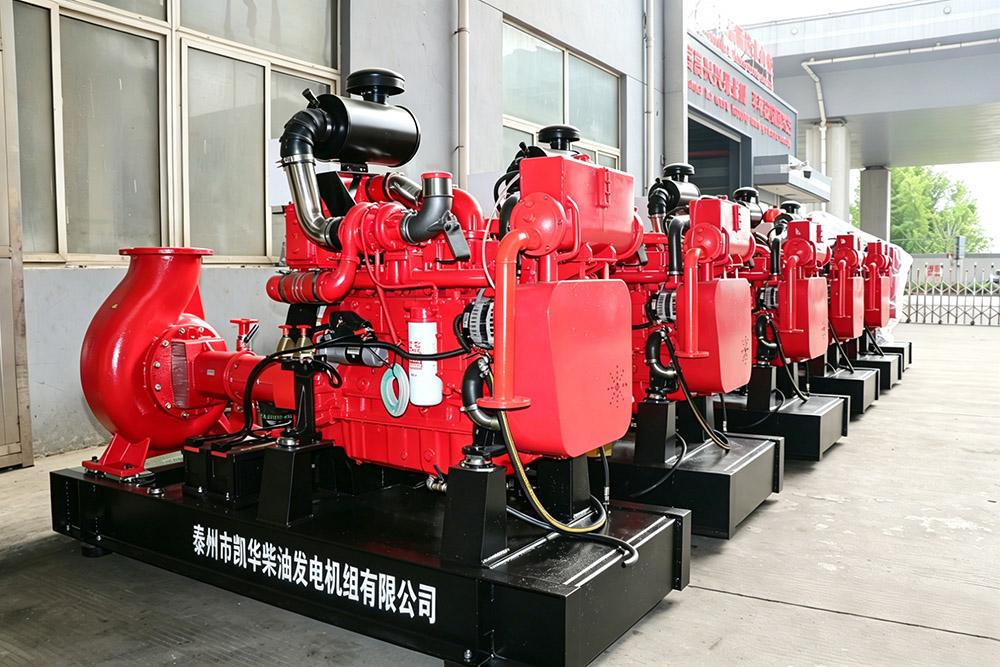
A reliable unit doesn’t just work when you first take it out of the box—it keeps performing month after month without making you second-guess your purchase. The real value lies in consistent quality: materials that don’t degrade under normal use, and engineering that quietly handles everyday stress without fuss. That kind of dependability saves you from replacing cheap alternatives every year, which adds up faster than most people realize.
There’s also an underrated comfort in knowing exactly how your gear will behave in a pinch. When a product earns your trust, you stop worrying about unexpected breakdowns and start focusing on what you actually bought it to do. It’s not about flashy specs or marketing jargon—just the simple assurance that your money went toward something built to last, backed by a company that stands behind its work.
Fuel Choices That Shape Performance and Utility
The heart of any vehicle lies in its fuel type, and that choice dictates far more than what you pay at the pump. Gasoline engines reward drivers with a responsive, rev-happy nature that makes everyday commuting feel lively, while diesel alternatives trade that high-strung character for relentless low-end grunt—perfect for towing heavy loads without breaking a sweat. It's less about which is better and more about which personality fits your garage.
Then there's the electric revolution quietly reshaping expectations. Instant torque delivery transforms the sensation of acceleration into something almost telepathic, and the absence of traditional engine noise creates a cabin serenity that long-distance travelers quickly learn to crave. Utility isn't sacrificed either; clever packaging of battery packs often unlocks storage spaces that combustion platforms simply can't match.
Hybrid systems occupy the pragmatic middle ground, blending electric boost with combustion range to erase range anxiety while cutting fuel bills. Their real genius isn't just efficiency—it's how they enable smaller engines to deliver the real-world performance of much larger units, all while slipping through city streets in near silence.
Matching Generators to Real-World Water Projects
Generators employed in water projects rarely fit a one-size-fits-all model. An irrigation scheme in a remote farming valley, for instance, might rely on a modest diesel unit that can be towed between pivot points, while a coastal desalination plant typically demands a corrosion-resistant diesel or gas generator with sophisticated controls to manage varying loads. The key is to match the generator’s characteristics—output, fuel type, duty cycle—to the specific rhythms of the site, rather than defaulting to the most powerful option on the market.
Environmental factors often drive the selection process more than nameplate ratings. A wastewater treatment facility located in a flood-prone area benefits from a generator with a sealed enclosure and elevated air intakes, whereas a mountain hydropower station might prioritize a unit that starts reliably in sub-zero temperatures without block heaters. Real-world water projects also contend with maintenance access: a generator perched on an access platform above a fish ladder needs to be serviced quickly with minimal disruption, nudging the choice toward compact, low-vibration designs.
Integration with existing infrastructure is where many selections stumble. A microgrid-powered water purification system in a rural village may require a generator that can parallel with solar arrays and battery banks, calling for an inverter-based model that handles rapid load swings without flicker. Meanwhile, a large flood control pump station running only a dozen times a year needs a block-load engine that goes from cold start to full output in seconds and can sit idle for months without degrading. These nuanced demands illustrate why the best match often comes from field experience rather than a catalog comparison.
Simple Steps to Keep Your Equipment Running Longer
Getting the most out of your gear isn't about fancy tricks—it's about everyday habits that take seconds but pay off for years. A quick visual check before and after each use can catch small issues like loose bolts, frayed cables, or dust buildup long before they turn into costly repairs. Most premature wear comes from stuff we overlook, not from the equipment itself.
Cleaning isn't just about looks; it directly impacts performance and lifespan. Dirt and grime act like sandpaper on moving parts, grinding them down slowly without you noticing until something seizes up. Use a soft brush, a lint-free cloth, and the right cleaning agent for your machine—skip the harsh chemicals that strip protective coatings or dry out seals. A dry, well-ventilated storage area also keeps moisture and corrosion at bay.
Don't wait for a breakdown to show some love—schedule simple maintenance routines based on hours of use, not just calendar dates. Lubricate bearings, tighten fasteners, replace worn bits, and calibrate sensors according to the manual. It's tempting to push that oil change or belt inspection to next week, but consistency is the real secret. Your equipment will repay you with years of smooth, reliable service without the surprise downtime.
Selecting the Right Power and Flow for Any Task
Matching the tool's power and flow to the job at hand isn't just about picking the highest spec—it's about understanding the sweet spot where efficiency meets precision. For instance, a delicate cleaning task demands a controlled, lower flow to avoid damaging surfaces, while a heavy-duty cutting job thrives on raw, uninterrupted force. The key is to think of power not as a static number, but as a range that you can dial in, letting the flow adapt naturally to the material and the environment you're working in.
Sometimes, the trick lies in observing how the flow behaves under different loads. A task that seems straightforward might reveal hidden challenges—like when a lower flow maintains stability better than a high-pressure blast that creates splatter or debris. Real-world experience shows that tuning the flow to match the task's resistance can often extend equipment life and deliver cleaner results. It's about building an intuition for when to let the tool breathe and when to let it bite, rather than relying on a one-size-fits-all setting.
Ultimately, selecting the right combination comes down to testing and small adjustments. Starting with a mid-range setting and gradually tweaking until the tool feels like an extension of your own hand can reveal the optimal balance. Pay attention to the feedback—slight vibrations, sound changes, or even the rate of progress—and let those cues guide you. This approach turns power and flow from abstract specs into practical, tailored performance for whatever task you're facing.
FAQ
They're specialized units that combine a generator with a pump-driving capability, often featuring higher starting torque and robust voltage regulation to handle the surge demands of water pumps. Unlike standard portable generators, they're built to sustain the continuous load and muddy, wet environments typical of agricultural or construction sites.
It depends on the pump's starting wattage. Many portable gensets lack the initial surge capacity, leading to voltage drops that can harm the pump motor. Purpose-built water pump generator sets include overload protection and consistent power delivery tailored for those inductive loads, making them a safer long-term investment.
Focus on duty cycle ratings, fuel efficiency at variable loads, and weather-resistant outlets. For farm use, a diesel engine with a reliable auto-start function and a sturdy frame matters most. Also, check the decibel level if it's near livestock or residences, and ensure it has enough continuous wattage to support multiple pumps running simultaneously.
Inverter models produce cleaner power, which is gentler on pump electronics and speed controllers. They also adjust engine speed to match demand, cutting fuel use and noise. For timed sprinkler systems or sensitive pressure pumps, the stable sine wave prevents malfunctions. Conventional sets are cheaper upfront but louder and less efficient under part-load conditions.
Not if you stick to a simple routine. Regular oil changes, air filter cleaning, and coolant checks prevent most field failures. Modern units often include self-diagnostic lights and easy-access service panels. The main challenge is fuel storage—using a good fuel stabilizer and keeping the tank full reduces condensation issues common in fluctuating temperatures.
Yes, some systems integrate solar panels with a backup generator and battery bank. During sunny periods, the array runs the pump and charges batteries; the generator kicks in only during extended cloud cover or nighttime high demand. This setup slashes diesel consumption and is ideal for off-grid farms or eco-conscious projects, though the initial cost is higher.
Conclusion
When it comes to moving water where grid power is unreliable or absent, a well-chosen water pump generator set becomes an indispensable tool. Understanding how these combos work is the first step—essentially, an engine-driven generator provides the electricity or direct mechanical force to run a pump, offering flexibility across farms, construction sites, and emergency flood control. What separates a dependable unit from a disposable one often boils down to build quality: robust engines, durable pump housings, and reliable seals. Fuel choice plays a massive role in daily operation. Diesel models excel in heavy-duty continuous use thanks to their torque and fuel efficiency, while gasoline units offer easier starts and lower upfront cost for occasional tasks. Propane and natural gas options bring cleaner emissions and stable long-term storage, making them ideal for stationary setups or eco-conscious operations.
Real-world water projects demand careful matching of pump capacity to the job. Sizing correctly means evaluating both head height and flow rate—too little power leaves a job unfinished, while overkill wastes fuel and causes unnecessary wear. Whether you're irrigating acres of crops or draining a flooded basement, selecting the right power and flow ensures every drop moves efficiently. To keep that efficiency lasting, simple maintenance steps cannot be overstated: regular oil changes, cleaning strainers, inspecting hoses, and draining fuel systems before storage prevent most breakdowns. In the end, the best water pump generator set isn't just about specs; it's the one that seamlessly aligns with your specific water needs, operating reliably season after season with minimal fuss.
Contact Us
Contact Person: Ms. Lu
Email: [email protected]
Tel/WhatsApp: 8618917899306
Website: https://www.hichaipower.com