

Cast Parts Supplier: What Smart Buyers Need to Know
2026-11-21
Sourcing cast parts can feel like a gamble if you don't know which supplier questions actually matter. Instead of leading with specs, smart buyers start by reading the signs of a supplier's real capability—pattern design, metallurgy control, and post-casting support. Zhaoyuqi has spent years turning those signs into a repeatable process, and this guide walks through what to look for before you commit.
Raw Material Choices That Decide Casting Quality
Foundry people often talk about pouring temperature and gating design, but a melt is never better than the scrap and pig iron that went into it. The charge mix sets the baseline for shrinkage, machinability, and gas pickup before the first burner fires. Low-grade steel scrap with heavy rust or oil drags hydrogen and inclusions into the bath, while unknown residuals like chromium, copper, or tin narrow the window for producing consistent gray iron. A cheap load can look fine in the ladle and still cause hard spots or porosity after machining.
In ductile iron, raw material choice becomes even more visible. High-purity pig iron or carefully sorted steel scrap helps keep pearlite-promoting elements low enough for the magnesium treatment to work predictably. If the base iron arrives with too much manganese or tramp elements, the foundry compensates with more inoculant or higher magnesium, and the result is often erratic nodule counts and thicker section sensitivity. Tracking the source of returns and keeping sand and coatings out of the charge is not housekeeping; it is chemistry control.
There is also a quieter factor: consistency. Two suppliers may sell steel scrap with similar bulk chemistry, but one changes the melt behavior because of surface condition, piece thickness, or storage history. Successful foundries treat raw material not as a commodity that fills the furnace, but as a recipe ingredient that decides whether the same casting can be made on Monday and Thursday.
Cheap Quotes and the Rework They Hide
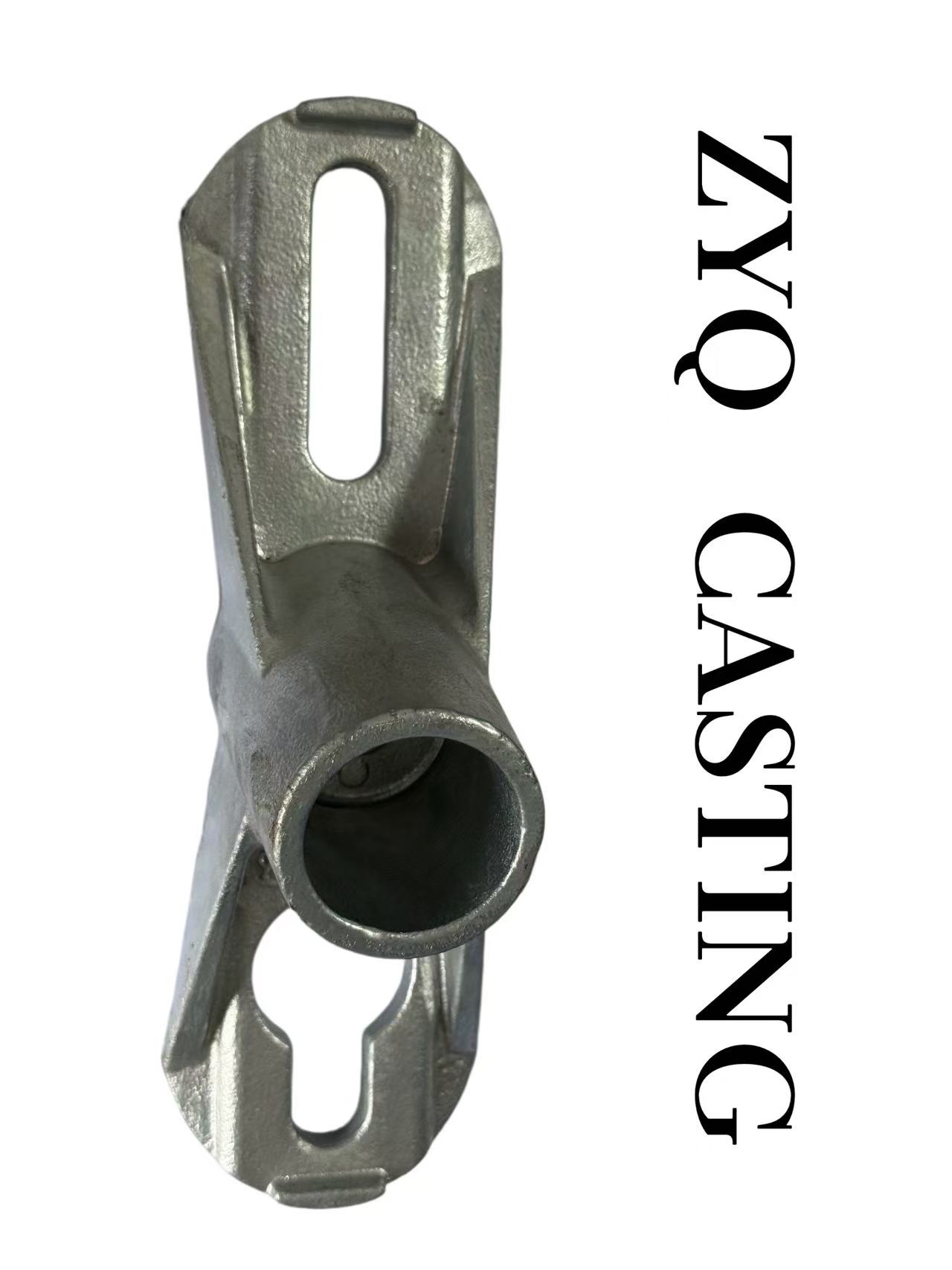
A low number on a quote feels reassuring until the first change order lands. The savings rarely survive contact with the actual job. Corners get cut in materials, prep work, or the hours needed to do something properly, and those choices resurface later as cracked finishes, misaligned joints, or systems that never quite worked right.
Rework has a way of hiding inside the initial price. The contractor who undercuts everyone else is often planning to recover that margin through rushed labor or substitutions, not through efficiency. Once work begins, the homeowner ends up paying to undo and redo what should have been handled once. The second attempt usually costs more than the first because demolition, disposal, and scheduling delays get added to the bill.
What looks like a bargain at signing often becomes a more expensive project by the end. The real comparison is not between two written numbers, but between the final cost of a job done once and the final cost of a job done twice. That distinction gets lost when the quote is treated as the whole story.
Defect Records Worth Asking For by Name
In a lot of quality conversations, people ask for defect data the way they order coffee—vague and hoping for the best. That rarely works. When you know the actual name of a record, whether it is the No-Fill Tear Sheet, the Line 4 Cap Torque Log, or the Weekend Visual Sort Tally, the response time changes.
Some records only exist because a specific shift lead kept them. These are the ones worth asking for by name. A Setup Scrap Ledger might not show up in any official report, but the night supervisor can pull it from a drawer in under a minute. Naming it shows you have done your homework, and more importantly, it signals you are not fishing for a generic overview.
It also changes the conversation from a broad please send me everything to a pointed I need the Third Offset Rework Count from last Tuesday. That narrow request tends to produce a cleaner, smaller, more useful file. People are more willing to share a named record than to assemble a summary they think you should want.
A Supplier's True Lead Time Hides in Plain Sight
Most buying teams anchor to the lead time printed on a quotation, but that figure is often a negotiated ideal rather than a reflection of actual behavior. A closer look at routine documents tells a different story: the gap between the first promise date and the first confirmed ship date on previous orders, the frequency of schedule revisions, and the time it takes for a supplier to answer a technical question. These small visible details accumulate into the real waiting time that matters for planning.
Production control records and shipping notices usually carry stronger signals than a salesperson's summary. When the same part ships late after every design change, or when partial quantities arrive before the balance, the pattern points to capacity limits that no quotation can erase. Buyers who compare the original confirmation against the actual bill of lading date start to see a supplier's rhythm rather than its promises.
The most useful lead time is not a single number; it is a distribution hidden across emails, delivery notes, and inventory movements. Teams that build forecasts around that distribution tend to hold less safety stock and recover faster from disruptions, because they are planning against what the supplier actually does, not what the supplier said it would do.
Tooling Ownership and the Cost of a Bad Handoff
Most teams treat tooling like a shared utility until something breaks, then nobody remembers who was supposed to own the fix. That ambiguity quietly turns every small integration into a negotiation. A script that parses deploy logs might live in three repos, have two wrappers, and no clear person who can say what the intended behavior actually is. The cost doesn't show up as a single dramatic failure. It accumulates in long debugging sessions, duplicated fixes, and a growing reluctance to touch anything that isn't formally assigned.
A bad handoff makes the problem worse. When ownership shifts because someone leaves or priorities change, the context usually travels as a few chat messages and maybe a stale README. The new owner inherits the responsibility but not the mental model that produced the original decisions. Edge cases get rediscovered one incident at a time. The tool may still run, but the team loses the ability to change it confidently, and that hesitation spreads to the workflows that depend on it.
The alternative is to treat ownership as part of the tool's design, not as an afterthought. That means naming a primary maintainer, writing down the assumptions that are easy to forget, and making the handoff an explicit exercise in transferring operational memory. It does not require heavy process. It does require that someone can answer the question "who decides when this changes?" without checking an org chart.
Packaging Details That Reveal How a Foundry Thinks
Walk past a shelf of die-cast parts and you can often tell which foundry produced them before reading the label. It is not the alloy so much as the quiet decisions around parting lines, ejector pin marks, and how a gate vestige gets trimmed. One shop leaves a faint witness line on a non-critical face because they know it will disappear under a mating gasket; another spends an extra machining step to hide that same line on a visible surface. Neither approach is wrong, but they expose different priorities—cost discipline versus cosmetic intent. These small packaging choices, from the way protective caps are assigned to threaded bosses to the placement of barcode labels away from sealing faces, map directly to how the foundry organizes its own quality checks and what it assumes the customer will accept without asking.
Consider the humble plastic end plug pushed into a hydraulic port. Some foundries use a generic yellow plug that fits loosely and leaves a thin smear of release compound on the thread. Others match the plug color to the port size, add a small pull tab, and wrap the entire machined face in a breathable film before nesting parts in custom-cut foam. The difference is rarely about material cost: it signals whether the foundry treats the component as a loose commodity or as a pre-assembled interface that must survive transport without introducing contamination. Buyers who unpack a shipment and find no rust, no thread nicks, and no plastic shavings lodged inside a bore are not lucky—they are looking at a process that has been stress-tested by someone who has already dealt with the failure modes.
Even the density of parts in a carton reveals assumptions about downstream handling. If a foundry packs twelve castings tightly together with only a single layer of VCI paper, they are betting the parts will go into a wash or shot blast at your facility. If they separate each casting with corrugated dividers, snap on edge protectors, and include a humidity indicator card, they expect the parts to move through multiple internal touches or sit in storage. The packing slip may look ordinary, but the way it is folded, whether it is placed under the top flap or taped to the outside, and how sequence numbers are printed all hint at whether the foundry runs a formal lot-traceability system or simply loads whatever is nearest the dock. None of this shows up in a quote. It shows up the first time you open the box and realize the supplier has already imagined your receiving dock, your forklift, and your line-side rack.
FAQ
Walk the floor before you talk numbers. Look at how the sand or die lines are organized, whether the furnace area has clear melt logs, and whether non-destructive testing is done in-house or sent out. A foundry that controls its own inspection usually owns its quality problems instead of blaming the pattern shop.
Price gaps usually come down to the process route, scrap assumptions, and what is actually included. One supplier may quote raw castings while another includes heat treatment, machining allowance, testing and packaging. Ask for a breakdown of yield loss and any secondary operations; that is where hidden costs tend to sit.
Material grade and heat-treat condition are obvious, but buyers often skip the details that drive rejections: critical dimensions, surface finish on sealing faces, allowable porosity in stressed areas, and how the part will be machined. Sending a drawing alone is not enough if you have a functional requirement like pressure tightness.
Ask them to explain how they would gate and feed the part before they quote. A supplier that talks about solidification direction, where shrinkage is likely, and which surfaces need risers is thinking like a manufacturer. If the only response is 'we can make it,' keep looking.
The risks are not just shipping delays. Communication gaps, material substitution, and inconsistent process control tend to surface after the first order. Use clear material certificates, require pre-shipment photos of test bars and castings, and start with a pilot lot before you place a blanket order.
Define the acceptance criteria for surface defects, the method and frequency of inspection, and who pays for rejects found after machining. If you leave those vague, the supplier will assume visual inspection is enough while you assume X-ray. Put the quality plan in the purchase order, not in a separate conversation.
When the part carries load, holds pressure, or goes into an assembly where a failure is expensive to reach. The higher price often buys consistency: controlled metal chemistry, reliable heat treatment, in-house testing, and a supplier that tells you about a bad lot before shipping it. That beats chasing a cheaper quote later.
Conclusion
A casting supplier’s real story starts long before the first part ships. Smart buyers pull apart the raw material callouts—scrap ratios, alloy sources, and melt practice—because a foundry that quietly substitutes lower-grade returns will pass the trouble downstream. That same logic applies to quotes. A price that looks lean often carries rework, sorting, and line stoppages that never appear on the invoice. Instead of accepting a number, ask for the defect records by name: shrinkage, gas porosity, inclusions, sand burn-on. If the supplier hesitates to share those logs, the discount is probably borrowed from your production floor.
Lead time is another place where promises drift. The date on a quote matters less than the schedule behind it—pattern status, core capacity, heat treatment queues—so buyers who only track the final due date miss the real slippage. Tooling ownership is equally easy to overlook until a handoff goes wrong; clarify who owns the pattern, who pays for revisions, and what happens if the relationship ends. Even packaging tells a story. Rust-preventive film, layer boards, and box reinforcement are small signals, but they reveal whether a foundry plans for the part to arrive ready to use or leaves the last ten feet of quality to chance.
Contact Us
Contact Person: Nico Yin
Email: [email protected]
Tel/WhatsApp: 8618561567088
Website: https://www.ductileironparts.com/