

Corrugated Boxes Exporter Insights: Global Shipping Solutions for Your Business
2026-05-31
In the fast-paced world of global trade, the right packaging can make or break your shipping success. Corrugated boxes do more than just hold products—they safeguard your brand's reputation across borders. At ShiTeng Packaging, we understand the unique challenges exporters face, from fluctuating freight costs to demanding durability standards. This blog unpacks key insights and practical solutions to help you navigate international logistics with confidence and protect what matters most.
Why Your Boxes Need to Withstand More Than Just the Journey
When you think about a box's durability, the first thing that comes to mind is surviving a bumpy truck ride or a conveyor belt toss. But the real threats often lurk in less obvious places. Moisture can seep in during unexpected rain, turning sturdy cardboard into a soggy mess that collapses under its own weight. Extreme temperatures, whether from a sweltering warehouse or a freezing cargo hold, can degrade adhesives and warp materials. If your packaging only accounts for physical impacts, you’re leaving your product vulnerable to these silent destroyers.
Stacking pressure is another overlooked challenge. Boxes in a warehouse or container can bear hundreds of pounds from above, and if the design doesn’t distribute weight evenly, the bottom boxes crumple long before they ever reach their destination. Vibration is equally insidious—continuous micro-movements during transit can wear through surfaces, loosen seals, and cause abrasion damage that isn’t visible until unboxing. A box that merely survives a drop test might still fail when subjected to these persistent stresses over days or weeks.
Finally, consider the human element. Packing and handling processes can be rougher than you’d expect, with boxes being tossed, dragged, or inadvertently punctured by tools. Even simple labeling or strapping can introduce stress points. Your boxes need to be engineered not just for the idealized journey, but for the real world where humidity, pressure cycles, and unpredictable handling create a cumulative assault. Only by anticipating these hidden hazards can you ensure your product arrives in pristine condition.
The Hidden Costs of Poor Packaging in Export
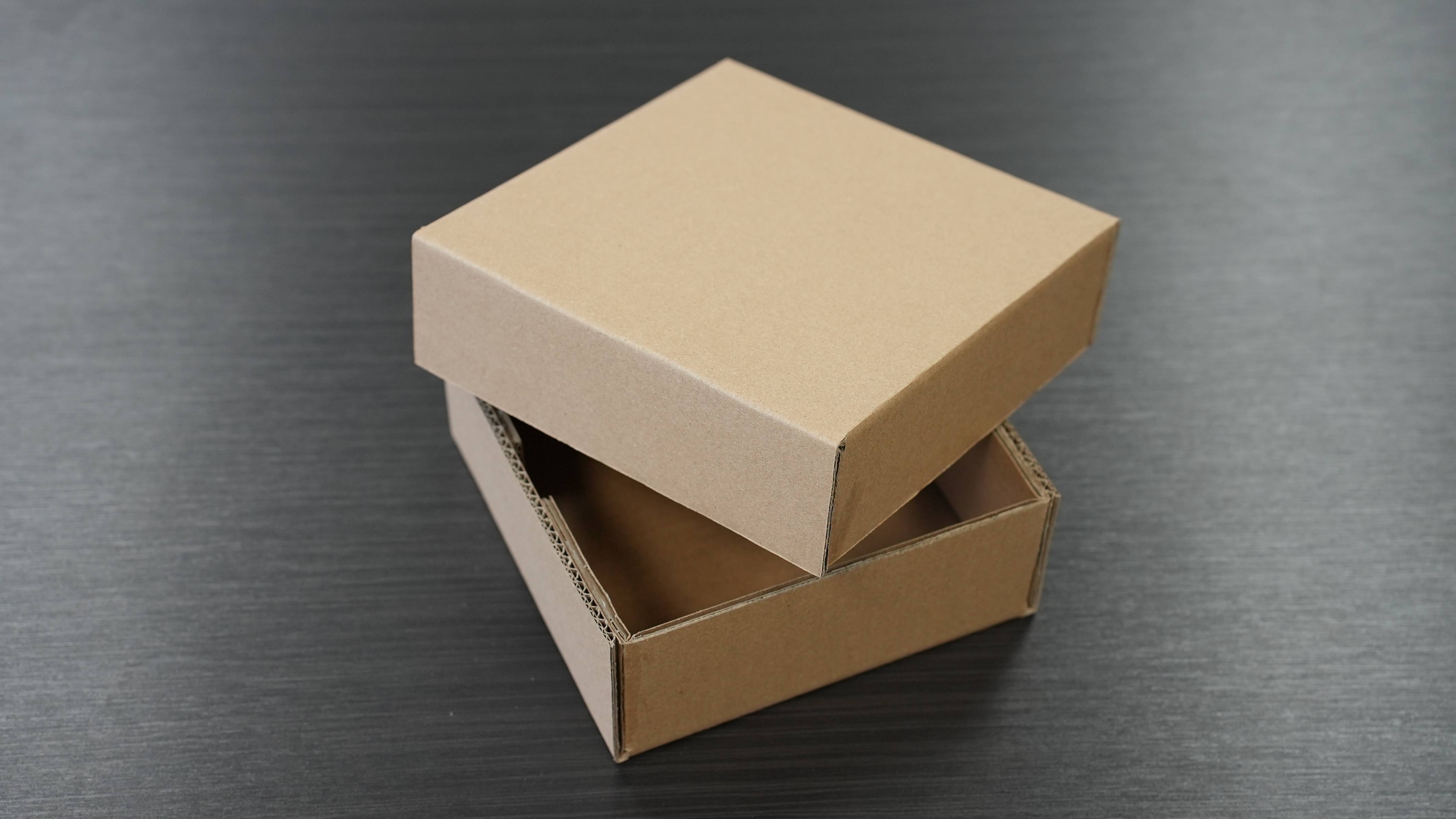
When goods cross borders, packaging does far more than just hold a product together—it silently shapes a brand’s reputation and operational bottom line. Many exporters focus narrowly on unit price and transportation fees, overlooking how flimsy or ill-fitted packaging triggers cascading expenses. Damaged shipments result in costly returns, insurance claims, and lost repeat business, while customs delays caused by inappropriate labeling or non-compliant materials can pile on storage fees and penalties. The real sting often hits later, when frustrated buyers switch to competitors whose packaging consistently delivers goods intact and hassle-free.
Beyond the obvious breakage costs, poor packaging quietly inflates logistics spending through inefficient space utilization. Oversized boxes waste container volume, driving up per-unit shipping rates, while under-protected items may require expensive on-site repacking or special handling. There’s also the environmental factor: excessive or non-recyclable materials are drawing stricter regulations and consumer backlash, creating another layer of unplanned expenditure. Each of these factors chips away at profit margins, turning what seems like a marginal saving on packaging into a significant financial drain over time.
Finally, the subtle erosion of customer trust is perhaps the most underrated cost. A package that arrives dented, damp, or difficult to open reflects poorly on the sender, no matter how good the product inside. In competitive export markets, such moments of disappointment are rarely voiced directly—buyers simply move on. Investing in thoughtful packaging design that marries durability with unboxing experience isn’t an extra expense; it’s a strategic tool for reducing total cost of ownership and building lasting trade relationships.
Customizing Corrugated Solutions for Your Market
Every market has its quirks—regional regulations, handling habits, even climate conditions that shift how packaging behaves. Instead of tweaking a standard design, we look at what’s actually happening in your supply chain: Are boxes stacked in humid warehouses, or do they face repeated manual handling? From flute profiles that boost stacking strength in tropical zones to coatings that resist scuffs on high-end retail shelves, the adjustments come from real on-the-ground patterns, not assumptions.
There’s also the matter of perception. A box that screams “industrial” in one region might signal “reliable” in another. We’ve learned to dial in print quality, paper finishes, and even the tactile feel of the corrugated surface to match local expectations. Small changes—like a softer liner for a luxury feel or a slightly darker kraft shade—can make the unboxing feel intentional rather than generic, without adding unnecessary cost.
The real trick is balancing these tweaks with efficiency. Custom doesn’t have to mean complex; sometimes it’s about offering modular options that let you mix protective features with brand-specific flourishes. Whether it’s a die-cut shape that speeds up packing lines or a box design that doubles as a display, we work backward from how your customers actually interact with the package—so it fits your market, not just a catalog.
Navigating International Shipping Standards with Ease
Handling international shipping regulations can feel like deciphering a foreign language—but it doesn’t have to be a constant headache. The key lies in breaking down the complexities into digestible steps. Start by identifying the core standards that apply to your product categories, whether it’s labeling requirements, packaging restrictions, or customs documentation. Familiarity with frameworks like the Harmonized System (HS) codes or Incoterms can turn confusion into clarity, helping you avoid delays and unexpected fees.
A practical approach is to build a flexible checklist that adapts to different destination countries, rather than reinventing the wheel each time. Leverage digital tools that keep track of regulatory updates, so you’re not caught off guard by sudden changes. Training your team to spot common pitfalls—like mismatched documents or incorrect tariff classifications—creates a proactive culture that prevents issues before they escalate.
Over time, you’ll notice that what once seemed overwhelming becomes second nature. Companies that invest a little effort upfront in understanding the shipping landscape often find they move goods faster and with fewer surprises. It’s not about memorizing every rule, but about knowing where to look and when to ask for help, turning a potential roadblock into a smooth part of your supply chain.
Sustainability Isn’t a Trend—It’s a Shipping Requirement
For years, sustainability in shipping was treated as a nice-to-have—a badge to tout in annual reports or a bullet point for eco-conscious branding. That era is over. Today, regulators, trading partners, and end consumers are demanding cleaner logistics, and they're backing those demands with hard requirements. From the International Maritime Organization's carbon intensity targets to the European Union's Emissions Trading System extension into maritime, shipping companies now face binding rules that reshape how they operate. The choice is no longer whether to adopt greener practices, but how to integrate them without sacrificing efficiency or profitability.
This shift isn't just about compliance; it's about survival in a market that's rapidly redefining cost and value. Carriers that fail to meet emissions standards risk losing access to key ports and facing surging insurance premiums. Meanwhile, shippers are encountering contractual clauses that mandate specific carbon-reduction metrics, making sustainability a direct factor in partner selection. The old narrative of sustainability as an altruistic gesture has been replaced by a new reality: if your shipping operations aren't demonstrably greener, you're simply not competitive. Data-driven routing, alternative fuels, and real-time emissions tracking are no longer experimental—they're the baseline.
What often gets lost in this conversation is the practical burden on small and mid-sized players who lack the resources of global giants. They have to navigate a patchwork of regional regulations while fending off price pressures—all with slimmer margins. Yet, the solution isn't to resist change but to embrace collaborative models and digital tools that level the playing field. Shared consolidation hubs, transparent carbon accounting, and flexible fuel contracts can turn compliance from a cost center into a differentiator. Ultimately, sustainability as a shipping requirement is forcing the entire industry to innovate faster, and that's a good thing—even if it stings in the short term.
From Factory to Foreign Shelves: Simplifying the Supply Chain
Moving goods across borders is rarely a straight line. A product leaving a factory in Shenzhen passes through dozens of hands—truck fleets, port authorities, customs brokers, ocean carriers, warehouses—before it ever sees a foreign shelf. Each handoff introduces friction: paperwork mismatches, sudden tariffs, congested ports. It’s not just logistics; it’s a puzzle with pieces that shift daily.
Simplifying this tangle starts with owning fewer links, not more. Instead of juggling five freight forwarders and three warehousing providers, companies are turning to partners who stitch everything together under a single pane of glass. Real-time visibility into container status, automated customs filings, and pre-booked drayage cut the noise. One electronics brand we worked with slashed their lead time by twelve days just by swapping a fragmented process for a unified workflow that treats the ocean leg, warehousing, and last-mile as a continuous thread.
The payoff isn’t just faster delivery. When the chain feels less like a scramble, inventory forecasting gets sharper, and shelf gaps narrow. Managers sleep better knowing demurrage charges won’t blindside them, and retailers restock with confidence. It turns a chaotic global journey into something almost boring—and that’s the point.
FAQ
They strike a rare balance between strength and weight, keeping your goods safe without blowing up freight costs. The fluted design acts like a shock absorber, while the material itself is easy to handle and stack in containers.
Look for more than just a sales pitch. A seasoned exporter will walk you through Incoterms, advise on container loading patterns to minimize movement, and flag potential customs hiccups before they happen. They treat your shipment like their own.
Far from it. You can specify flute types, double-wall or even triple-wall construction, moisture-resistant coatings, and custom inserts. For delicate electronics or glassware, a properly engineered box can mean the difference between a perfect delivery and a damage claim.
Beyond the unit price, pay attention to inland freight at origin, consolidation charges, palletization requirements, and duties based on packaging material. A transparent exporter will break these down upfront instead of burying them in a lump sum.
Every extra millimeter of waste or poorly stacked pallet eats into your margins. Smart design reduces dimensional weight charges on air freight, lets you fit more units per container, and speeds up packing time on the line—small tweaks that compound into serious savings.
Absolutely. High-quality recycled-content boards now rival virgin material in stacking strength. Many exporters offer FSC-certified options or water-based adhesives that meet strict EU or North American regulations without sacrificing durability.
They understand the quirks—like how humidity in a tropical transshipment port can soften a weak box, or why certain flute profiles perform better on rough-and-tumble transcontinental routes. A generalist supplier simply won't have that depth of know-how.
It’s a combination of sizing and void-fill strategy. A tight-fit box reduces movement from the start, but shock-absorbing dividers or custom-molded pulp trays can lock products in place. An experienced exporter helps you test prototypes with real-world vibration and drop simulations.
Conclusion
In global trade, the boxes that carry your products are more than cardboard containers—they are the front line of protection against rough handling, humidity, pressure, and temperature swings. Too many exporters discover hidden costs only when goods arrive damaged, triggering insurance claims, delays, and lost customer trust. Investing in properly engineered corrugated packaging means looking beyond the basic journey: stacking strength, puncture resistance, and moisture barriers all need to be dialed in for the specific route and mode of transport. A one-size-fits-all approach rarely works when your market spans continents; customizing flute profiles, board grades, and coatings based on destination climates and handling infrastructure prevents those expensive lessons. Real insight comes from seeing packaging not as an expense but as a critical component of product delivery, where the right box design can actually reduce overall logistics spend by minimizing volumetric weight and enabling safer palletization.
Navigating international shipping standards doesn’t have to be a headache if your packaging partner understands regional regulations and testing protocols upfront. From ISTA procedures to specific carrier requirements, compliance is a moving target that changes with each trade lane. Meanwhile, sustainability has shifted from a marketing buzzword to a hard requirement—retail chains and government policies now demand recyclable, responsibly sourced materials, and many are pushing for lightweighting and glue reduction without sacrificing performance. The smartest exporters see this as a chance to streamline the entire supply chain: boxes that are simpler to assemble, easier to collapse for return or recycling, and optimized for pallet density cut warehouse labor, shipping costs, and carbon footprints at the same time. When your packaging strategy moves in sync from factory floor to foreign shelves, you’re not just shipping boxes—you’re delivering your brand intact, efficiently, and with a smaller environmental impact, which today’s global buyers increasingly expect.
Contact Us
Contact Person: Mr. Ge Man
Email: [email protected]
Tel/WhatsApp: 8613710506492
Website: https://www.shitengzx.com