

Dried Flower Manufacturer Shares Insider Secrets to Long-Lasting Preserved Flower Arrangements
2026-10-17
Most preserved flower advice skips the part that actually matters: how the stems were dried before you ever bought them. That’s where PHLEEYA stands out. As a dried flower manufacturer, they control the variables most florists never see, and the results last years, not weeks. Here’s what they shared about building arrangements that keep their color and shape.
The Harvest Timing That Prevents Brittle Petals
Cutting flowers in the early morning, right after the dew has lifted but before the sun climbs high, keeps petals supple. At this hour, stems are fully hydrated and the plant has not yet started losing moisture through midday heat. Waiting until afternoon often means the petals have already begun to stiffen, especially in thin-petaled varieties like sweet peas or poppies. The difference shows up within hours in the vase.
A more reliable signal than the clock is the petal's own firmness. Gently press the outer edge between your fingers—if it folds without cracking and springs back, the flower is ready. If the edge feels papery or you can see a slight transparency at the tips, you have missed the window. For roses, this is usually the moment just before the bloom fully opens; for dahlias, it is when the back of the flower head still has a slight give.
On unusually hot mornings, shift the harvest earlier, even before the dew is completely gone. Carrying a bucket of tepid water into the garden and plunging stems immediately after cutting prevents the air from sealing the cut end. Avoid the temptation to gather on windy afternoons—moving air draws moisture out of petals faster than still air, and brittle petals are often the result of that rapid loss. Consistency matters more than any single perfect day.
Why Glycerin Preservation Beats Air Drying for Most Blooms
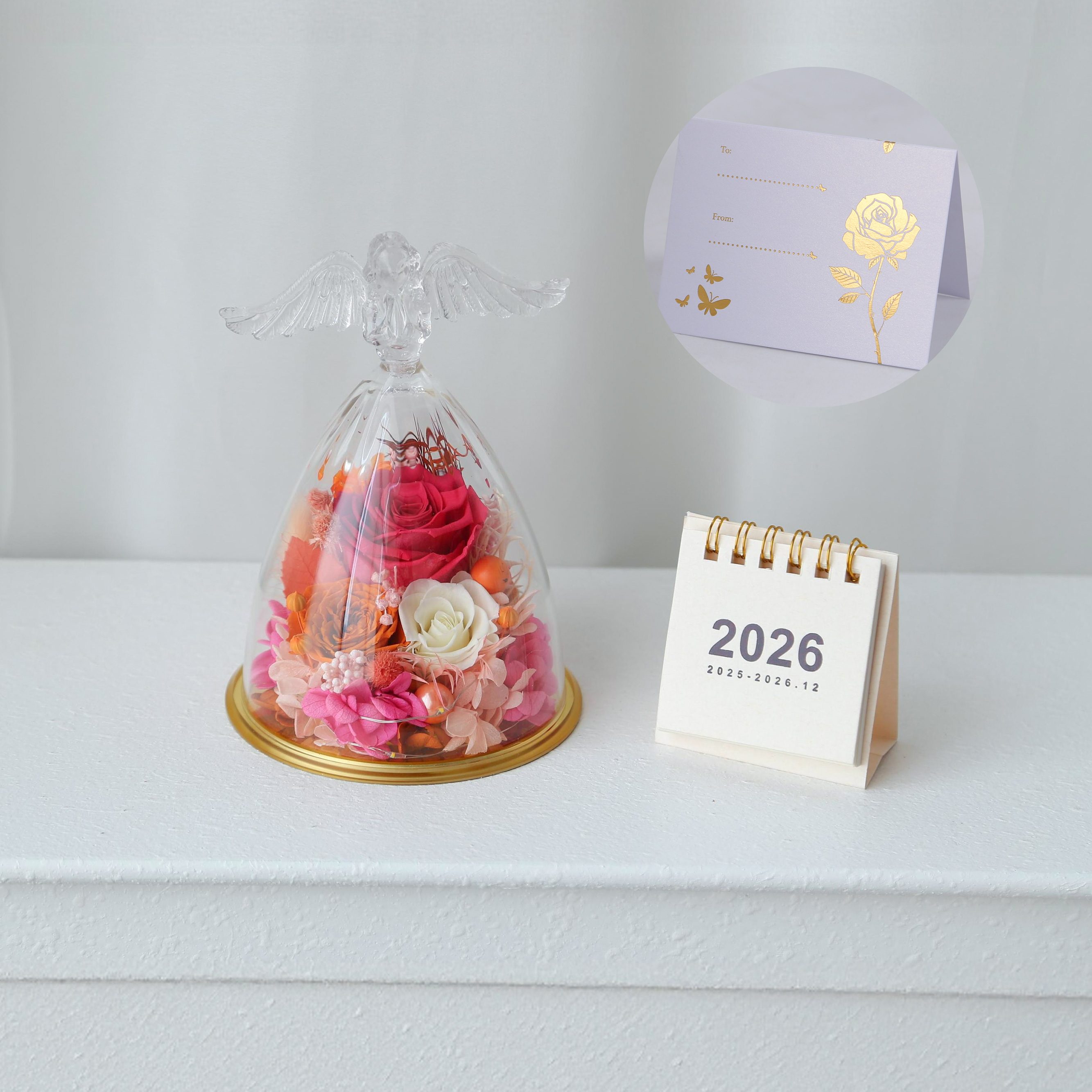
Air drying has a certain rustic charm, but it often leaves petals curled, faded, and so fragile they shatter at the slightest touch. Glycerin preservation takes a different route: instead of simply removing moisture, it gradually replaces the water inside plant cells with a humectant that keeps tissue pliable. The result is a stem that still bends, a leaf that keeps its sheen, and a bloom that holds its shape far longer than anything hung upside down in a closet.
Most flowers with sturdy stems and waxy or fleshy petals—roses, hydrangeas, eucalyptus, statice, even magnolia—respond beautifully to this method. Because glycerin slows the collapse of cell walls, colors deepen rather than bleach out, shifting into muted bronze, burgundy, and sage tones that feel intentional rather than decayed. Air-dried flowers, by contrast, frequently turn brittle and pale within weeks, especially in rooms with shifting humidity.
The practical difference shows up in arranging. Glycerin-preserved stems can be wired, shaped, and even lightly handled without raining petals onto the table. They also resist dust better and don't crumble when you move a vase. For anyone who wants dried flowers that still feel alive rather than like faded relics, glycerin is usually the smarter first choice.
Choosing Stems That Won't Fade in Direct Light
When a stem sits in full sun all afternoon, the first thing to go is usually the dye, not the structure. Look for materials that are inherently UV-stable rather than just coated. Polyester and acrylic blends hold color far longer than nylon or cheap painted latex, and silicone-treated stems often keep their tone even on a south-facing windowsill.
Another trick is to rub a hidden section with a damp white cloth before you buy. If any pigment transfers, it will almost certainly bleach or shift within weeks of direct exposure. Matte finishes tend to age better than high-gloss ones, which can develop a cloudy, cracked look as the sun breaks down the surface layer.
Finally, consider stems that have been heat-set or dyed in the mass rather than surface-painted. Natural dried stems like eucalyptus or preserved ruscus may fade unevenly, but a quick test in your own window over a few days will tell you more than any label. When in doubt, choose slightly muted tones—they hide the early signs of sun fade much better than bright, saturated colors.
The Humidity Level That Keeps Arrangements Flexible
Fresh stems behave differently depending on the air around them. When the room is too dry, petals crisp at the edges and stems snap instead of bending. A moderate level of moisture in the air keeps the fibers supple, so you can wire, tape, and gently curve stems without the material fighting back.
This doesn't mean everything should feel damp. The goal is a stable, slightly humid environment—enough to slow water loss from the foliage but not so much that the petals become sticky or mold starts forming on the wrapping. In practice, many workrooms settle into a comfortable range where the air feels fresh, and the plant material keeps its bounce.
Monitoring that balance pays off when you're shaping larger pieces. A flexible stem holds a curve longer and is less likely to kink at the bend. It also gives you a wider window to adjust the placement before the arrangement sets, which matters when a design needs to shift between a loose, airy look and a more structured line.
Wiring and Shaping Without Snapping a Single Stem
The trick to bending a stubborn branch isn't brute force—it's reading the wood. Before you reach for wire, flex the stem gently with your fingers, feeling for the point where resistance starts to build. That's your limit for the first session. Wrap the branch with raffia or vet tape if you're attempting anything beyond a subtle curve, then apply the wire at a 45-degree angle, anchoring it firmly but not so tight that it bites. Work in stages: bend a little, listen for the faintest crackle, and stop. That sound isn't failure; it's the fibers adjusting. Give the tree a week to rest, then nudge the curve a fraction more.
Thicker branches need a different mindset. Instead of one dramatic bend, make many small adjustments along the length, distributing stress like a series of gentle waves rather than a single sharp kink. Use both hands—one as a fulcrum, the other as the mover—and never bend directly at a node where the wood is weakest. If a branch still feels unyielding, take a break and come back tomorrow. Wood under tension adapts slowly, and patience is the difference between a living branch and a snapped one.
After wiring, don't rush the tree back onto the bench. Let it sit somewhere sheltered from wind and harsh sun for at least two weeks. The wire should hold the shape without looking like a cage; if you can see it biting into the bark at any point, loosen it immediately. A well-shaped branch will keep its new line long after the wire comes off, and the tree will never know it was forced.
The Sealing Trick That Locks In That Fresh-Picked Color
Most people don’t realize that the moment a fruit or vegetable is cut, the clock starts ticking on its color. Enzymes react with oxygen, and that vibrant red berry or leafy green starts to dull before your eyes. The trick isn’t just to cover it—it’s to seal it in a way that keeps air from sneaking back in. A tight, direct wrap or an airtight container with a damp paper towel can do more than you’d expect, holding that just-picked brightness for days instead of hours.
The real secret is in the pressure and the material. You want something that clings closely to the surface without crushing the cells. A gentle but complete seal stops the oxidation process at the edge of the cut, while still letting the produce breathe just enough to avoid trapped moisture. The result is fruit that keeps its deep reds, purples, and greens—not the brown, tired look you get from a loose plastic bag.
Once you start sealing with intention, you’ll notice the difference the next morning. Strawberries stay ruby-bright, avocado doesn’t turn gray, and herbs don’t wilt into a sad pile. It’s a small habit, but it changes the way you store everything from a half-used lemon to a bunch of kale. That fresh-picked color is still there—you just have to lock it in.
FAQ
It usually comes down to how the flowers were treated before drying. We harvest at peak bloom but before the petals fully open, then immediately condition the stems in a glycerin-based solution. Skipping that step or using cheap dyes is what causes early fading.
They treat it like a fresh bouquet and mist it with water. Moisture is the enemy—once preserved flowers absorb humidity, they can wilt or develop mold. Instead, use a soft brush or a cool hair dryer on low to remove dust.
Not every bloom dries well. We look for varieties with sturdy petals and low moisture content—like lavender, strawflower, or statice. Thin, delicate petals like poppies or tulips tend to shatter, so we avoid them for long-lasting arrangements.
Yes—avoid displaying them where sunlight hits directly. UV rays break down the pigments even in preserved flowers. We also use a light sealant spray that slows oxidation, but the biggest factor is simply placing them in indirect light.
That's usually trapped moisture from being stored or displayed in a humid room. Before we arrange, we make sure every stem is fully cured—then we add a tiny desiccant packet inside the vase base. At home, keep them out of bathrooms and kitchens.
You can't bring back lost flexibility, but you can refresh the appearance. Gently reshape stems with light steam from a few inches away, then let them air dry completely. A dusting with a dry microfiber cloth also helps the colors pop again.
Air-dried flowers are simply hung upside down and left to dehydrate—they're more fragile and fade faster. Preserved flowers go through a glycerin or silica treatment that replaces moisture at the cellular level, so they stay soft and colorful much longer—often two to three years with proper care.
We freeze all incoming plant material for 48 hours before processing. That kills any eggs or larvae without chemicals. Then we store finished arrangements in sealed containers with cedar chips until shipping. At home, a periodic gentle shake and keeping the area clean is usually enough.
Conclusion
Most people assume that preserving flowers simply means hanging them upside down and waiting. But the manufacturers who supply high-end arrangements know that timing the harvest is the first real safeguard. Blooms cut too early lack the structural strength to hold their shape, while those cut too late have already begun to break down at the cellular level, which leads to brittle petals later. By taking stems at the moment when color saturation peaks but before the outer edges start to thin, you set the stage for a finished piece that stays supple. For species that tend to fade, the choice of preservation method matters just as much. Glycerin, rather than traditional air drying, replaces water in the plant tissue and keeps the material pliable for months, not weeks. It is slower and requires more attention, but the result feels closer to a living stem than a dried husk.
Once the flowers are preserved, the real work begins. Direct light is often blamed for fading, but the bigger issue is that many common blooms simply cannot hold their pigments under prolonged exposure. Selecting stems known for lightfastness—such as certain roses, eucalyptus, and statice—means you are not constantly rearranging the display to avoid a window. At the same time, maintaining an indoor humidity range between 40 and 50 percent keeps the stems flexible without encouraging mold. When it comes to wiring and shaping, warming the wire slightly in your hands before inserting it through the stem prevents the hollow channels from cracking. Finally, a light, flexible sealant applied to the flower head can slow oxidation and lock in the color you saw at harvest. It is not a single trick but a sequence of small, deliberate decisions that makes a preserved arrangement last.
Contact Us
Contact Person: Mr. Luo
Email: [email protected]
Tel/WhatsApp: 86 18100895505
Website: https://www.feiliyaflowers.com/en/