
LLLT for Hair Loss: How to Choose the Best Laser Therapy Device
2026-07-24
Hair loss can be a frustrating journey, but low-level laser therapy (LLLT) is offering new hope—if you know how to pick the right device. With so many options flooding the market, finding one that actually delivers results isn’t always straightforward. That’s where trusted names like GUANG TAI make a difference, combining research-backed technology with user-focused design. In this post, we’ll cut through the noise and show you exactly what to look for in a laser hair growth device, so you can make an informed choice and get back to feeling like yourself again.
Decoding Light Wavelengths That Trigger Follicle Revival
The relationship between light and hair growth has long fascinated researchers, but the real breakthrough came when scientists began isolating specific wavelengths that seem to reawaken dormant follicles. Rather than broad-spectrum exposure, the focus has shifted to narrow bands—primarily in the red and near-infrared range—that penetrate the scalp without causing heat damage. These wavelengths interact with cytochrome c oxidase, a key enzyme in cellular metabolism, effectively boosting energy production within follicle cells. This biochemical nudge can shift follicles from a resting phase back into active growth, a process that feels less like medical intervention and more like giving your scalp a gentle, natural restart.
Clinical studies have zeroed in on wavelengths around 630-670 nanometers for red light and 810-850 nanometers for near-infrared, each with distinct penetration depths and cellular effects. The red spectrum tends to work closer to the surface, invigorating epidermal cells and promoting blood flow, while near-infrared reaches deeper, targeting the dermal papilla—the very command center of hair growth. What’s intriguing is how these wavelengths don’t just stimulate one pathway; they seem to reduce local inflammation, counteract oxidative stress, and even modulate signals that otherwise tell follicles to miniaturize. It’s a multi-targeted approach that mimics the body’s own repair mechanisms, making the treatment feel less like an external force and more like a subtle cue for the scalp to remember its original programming.
Translating these findings into practical therapies hasn’t been straightforward, partly because not all light sources are equal. LEDs have become the workhorse, offering stable, low-level output that can be used safely over long periods, but laser-based devices promise higher precision and coherence. The real art lies in dosing: too little energy, and there’s no response; too much, and you risk suppression rather than stimulation. Current protocols tend to favor multiple short sessions per week, a rhythm that mirrors the body’s own circadian patterns. As wearables and at-home devices become more sophisticated, the challenge shifts from simply delivering light to personalizing it—matching wavelength, fluence, and timing to an individual’s unique scalp biology, which could transform a promising science into a daily ritual as simple as brushing your teeth.
Spotting Devices with Clinically Backed Energy Output
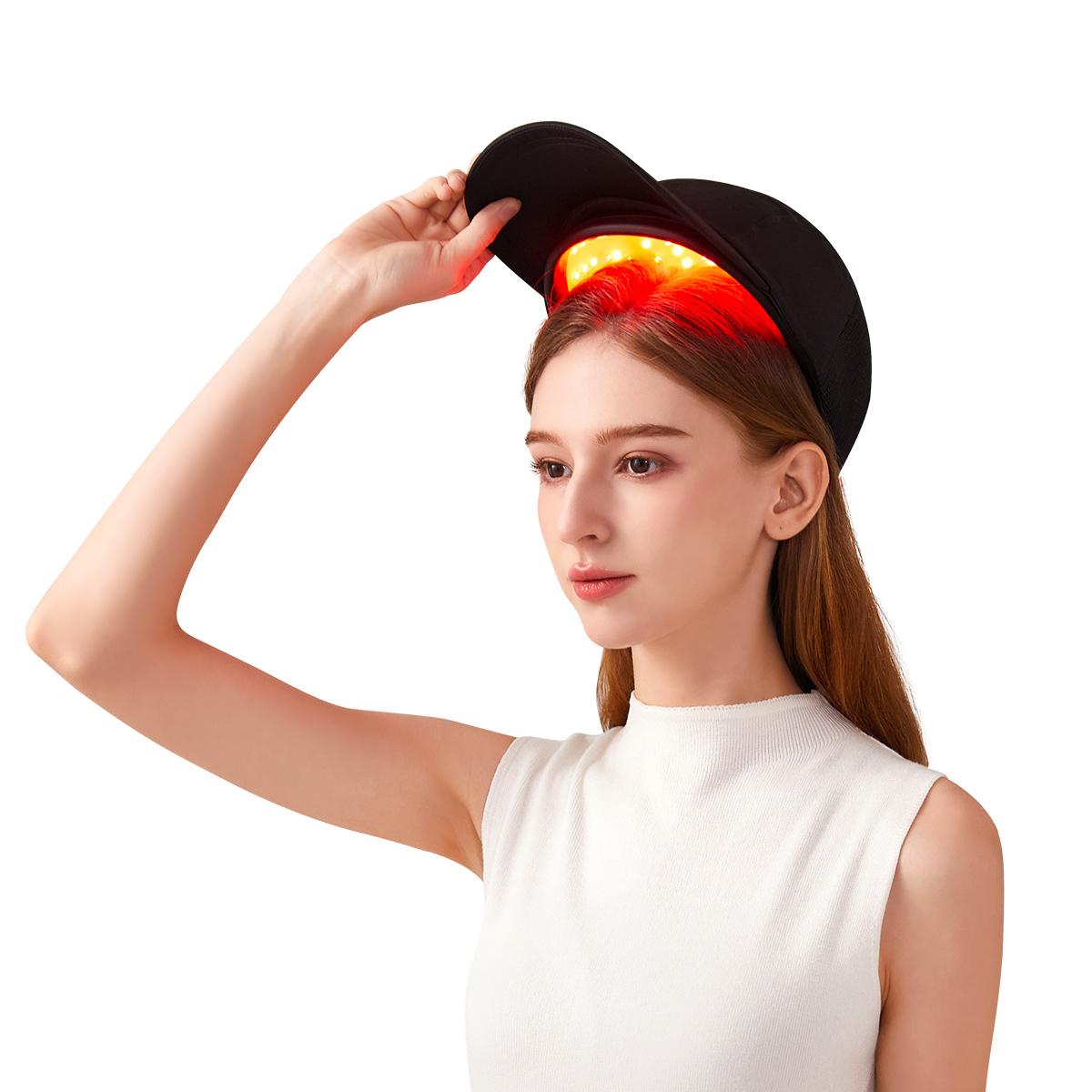
When evaluating light therapy devices, the term 'clinically backed' isn't just a marketing phrase—it’s a marker of genuine therapeutic potential. A device with clinically backed energy output means its irradiance levels, wavelengths, and treatment protocols have been studied in peer-reviewed research. This ensures that the energy density reaching your skin matches the parameters shown to trigger cellular repair and regeneration. Without this validation, you risk using a device that either under-delivers, offering no real results, or over-delivers, potentially causing discomfort. Look for specifications like mW/cm² at specific distances, and cross-check those numbers against the studies that the manufacturer references. It’s not enough to claim FDA clearance; the actual output must mirror what worked in trials.
A common pitfall is assuming that higher power always equals better outcomes. Clinically backed energy output is about precision, not just intensity. For instance, research on photobiomodulation often highlights an optimal dose range—too little energy and nothing changes, too much and you might inhibit the very processes you’re trying to stimulate. Devices that openly publish their power density at the skin surface, along with beam uniformity, are far more trustworthy than those flashing impressive-sounding but meaningless metrics like 'total LED count.' The real question is: does the device replicate the exact parameters used in successful clinical studies? If the answer isn’t crystal clear, the 'clinically backed' label may be hollow.
To truly spot these devices, move beyond slick websites and dig into the fine print. Check if the manufacturer cites specific studies and whether the device’s settings—such as pulse frequency or continuous wave mode—match the referenced research. Real clinical backing means the device was used as-is in a controlled study, not just that similar technology exists. It’s also worth looking for third-party testing or independent lab reports. Authentic confidence comes from transparency: a device that states its irradiance at the treatment plane, shows how it avoids hot spots, and connects every spec to a published paper. That’s the difference between a wellness gadget and a tool with therapeutic potential.
Weighing Hands-Free Caps Against Handheld Combs
When it comes to scalp care tools, the choice between a hands-free cap and a handheld comb often comes down to convenience versus control. Both have their merits, but your lifestyle and specific needs will likely tip the scale.
Hands-free caps excel in delivering effortless, consistent stimulation. You simply put it on and let it work while you read, work, or relax. However, they may lack the precision of a handheld comb, which allows you to target specific areas or adjust pressure on the fly.
Handheld combs, on the other hand, offer a more tactile and personalized experience. They're great for detangling or working through products, but require your active participation. For many, the best approach might be using both—a cap for daily maintenance and a comb for more focused sessions.
Why Treatment Consistency Matters More Than Session Length
Therapists often debate whether longer sessions yield better outcomes, but evidence points to a more critical factor: the regularity of visits. When clients attend sessions on a predictable schedule, the therapeutic relationship deepens, and progress becomes more sustainable. Inconsistent attendance, even with extended appointments, disrupts the momentum needed for meaningful change. Think of it like physical exercise—sporadic, marathon workouts rarely produce the same results as consistent, moderate training. The brain’s neuroplasticity thrives on repeated, timely interventions, making weekly or biweekly check-ins far more impactful than occasional, lengthy encounters.
A consistent therapeutic cadence also allows for real-time adjustments and timely support during life’s ups and downs. When a client knows they have a standing appointment, they’re more likely to reflect between sessions and bring relevant material to the work. This ongoing engagement fosters a sense of accountability and safety, which are essential for tackling entrenched patterns. Without this rhythm, issues can fester or escalate, and the therapist loses the thread of the client’s evolving narrative. Even if each session is packed with insight, the gaps between infrequent meetings can erode the foundation of trust and understanding that consistent contact builds.
Moreover, the structure of consistent scheduling reinforces the message that the client’s well-being is a priority, not a fleeting concern. It normalizes the process of self-examination and emotional maintenance, much like caring for any other aspect of health. Over time, this steady investment pays off in resilience and self-awareness, often shortening the overall duration of treatment. While a rare, extended session might feel cathartic, it’s the reliable, shorter appointments that wire the brain for lasting change and prevent crisis-driven care. In the end, the rhythm of connection matters more than the length of a single visit.
Reading Between the Lines of User Reviews and Testimonials
User reviews can feel like a mixed bag—some sound scripted, others too vague to trust. But the real insights often hide in the details. When someone mentions they’ve used a product for six months before writing, or describes how a shoe’s arch support changed after hiking in the rain, that specificity signals genuine experience. Instead of just scanning star ratings, look for those small, concrete anecdotes. They tell you more about durability, quirks, and real-world surprises than any polished testimonial ever could.
It’s also worth noticing what people don’t say. A review that never mentions a laptop’s battery life, when all competitors are praised for it, might be omitting a sore spot. The rhythm of complaints tells a story too: if multiple users casually note that a zipper snagged after a while, that’s a pattern—even if nobody deemed it a dealbreaker. Reading between the lines means treating reviews as clues rather than answers. The quiet mentions, offhand remarks, and oddly specific workarounds often reveal a product’s true character far better than a list of pros and cons.
Finally, pay attention to emotional undercurrents. A terse “it works” might mean the person isn’t thrilled but won’t bother returning; an overly defensive reply from the seller can hint at service issues you’d rather avoid. When you learn to spot the subtext—the exhaustion behind a parent’s review of a “simple to assemble” toy, or the relief in a traveler’s note about luggage that survived a rough flight—you’re no longer just gathering opinions. You’re assembling a nuanced, real-life portrait of what to expect, shaped by strangers you’ve learned to read like a favorite book.
Pairing Laser Therapy with Other Hair Care Routines
Laser therapy works best when it’s not the only thing you’re doing for your hair. Think of it as one piece of a larger puzzle. Pairing it with a gentle, sulfate-free shampoo helps keep the scalp clean without stripping away natural oils, allowing the light to reach follicles more effectively. Adding a lightweight, non-comedogenic conditioner afterwards can also prevent buildup, which might otherwise block the laser’s path.
Scalp massage is another simple but powerful partner. Using your fingertips (or a soft silicone brush) for a few minutes each day stimulates blood flow, bringing oxygen and nutrients to the same areas the laser is targeting. Some people find that doing this right before a laser session enhances the sensation of warmth and activity. It’s low-tech, but when combined consistently, the two methods amplify each other’s effects over time.
Don’t overlook what’s happening on your plate. Nutritional support—like adequate protein, iron, and vitamin D—gives hair follicles the raw materials they need to respond to laser stimulation. If your diet falls short, a targeted supplement can fill gaps without overcomplicating your routine. Just remember that more isn’t always better; steady, thoughtful pairings tend to outperform a scattered approach.
FAQ
Low-level laser therapy, or LLLT, uses specific wavelengths of light to stimulate hair follicles. The light energy is absorbed by cells, boosting cellular activity and increasing blood flow to the scalp. This can prolong the growth phase of hair and revive dormant follicles, making it a non-invasive option for thinning hair.
Not all devices are created equal. Key differences include the type of light source—laser diodes versus LEDs—as well as power output, wavelength, and coverage area. Medical-grade lasers typically deliver more focused energy, while LEDs cover larger areas at once. The right choice depends on your specific hair loss pattern and lifestyle.
The most studied and effective wavelengths fall in the red and near-infrared range, typically between 630 and 670 nanometers. These penetrate the scalp to reach follicles without damaging tissue. Avoid devices that don’t specify their wavelength or use unproven ranges.
Look for devices cleared by regulatory bodies like the FDA. Clinical studies and published research backing the device’s claims are also good indicators. Real user reviews and before-and-after photos can give you a sense of typical results, but keep in mind that individual responses vary.
Yes, LLLT is often used alongside topical treatments like minoxidil or oral medications. Because it works through a different mechanism, it can complement other therapies. Always check with a specialist to make sure your combination is safe and effective.
Most devices require sessions of 10 to 30 minutes, several times a week. Consistency is crucial—you might start noticing reduced shedding after a few months, but visible regrowth often takes six months or more. Patience and sticking to the schedule are key.
People often fall for high price tags assuming better quality, or choose devices with too few light sources that don’t adequately cover the thinning area. Another mistake is ignoring the importance of a comfortable fit and convenience—if a device is hard to use, you’re less likely to stick with it.
It depends on your needs. Helmets and caps offer hands-free, full-scalp coverage and are great for diffuse thinning. Handheld units allow you to target specific spots but require more effort and time. Think about your daily routine and how dedicated you can be to the treatment.
Conclusion
When exploring low-level laser therapy for hair regrowth, the first thing to understand is that not all light is created equal. The specific wavelengths that penetrate the scalp and wake up dormant follicles are typically in the red and near-infrared spectrum, usually between 630 and 670 nanometers. Devices that hit this sweet spot and deliver a proven energy dose—often measured in joules per square centimeter—stand a much better chance of producing visible results. Without that clinically supported output, even the most expensive gadget can end up being little more than a fancy light show. So, before clicking “buy,” it’s worth checking exactly what wavelength and power density a device offers, because these are the real drivers of cellular activity beneath the skin.
Beyond the tech specs, the form factor plays a huge role in whether you’ll actually use the device long enough to see a difference. Hands-free caps offer the convenience of passive treatment—you can wear them while reading or answering emails—while handheld combs require a bit more effort but allow you to target specific thinning areas. The real secret, though, isn’t how long each session lasts, but sticking with it multiple times a week over several months. Most people who report success didn’t just rely on the laser alone; they paired it with gentle scalp massage, nutritional supplements, or medicated topicals, creating a routine that addresses hair loss from multiple angles. When you read through user reviews, look past the star ratings for patterns: genuine before-and-after photos, honest mentions of shedding phases, and details about how long someone waited before judging outcomes. That real-world feedback, combined with a device’s clinical credentials, gives you the clearest picture of what to expect.
Contact Us
Contact Person: Leon Yi
Email: [email protected]
Tel/WhatsApp: +86 17363316873
Website: https://zzgt.en.alibaba.com/