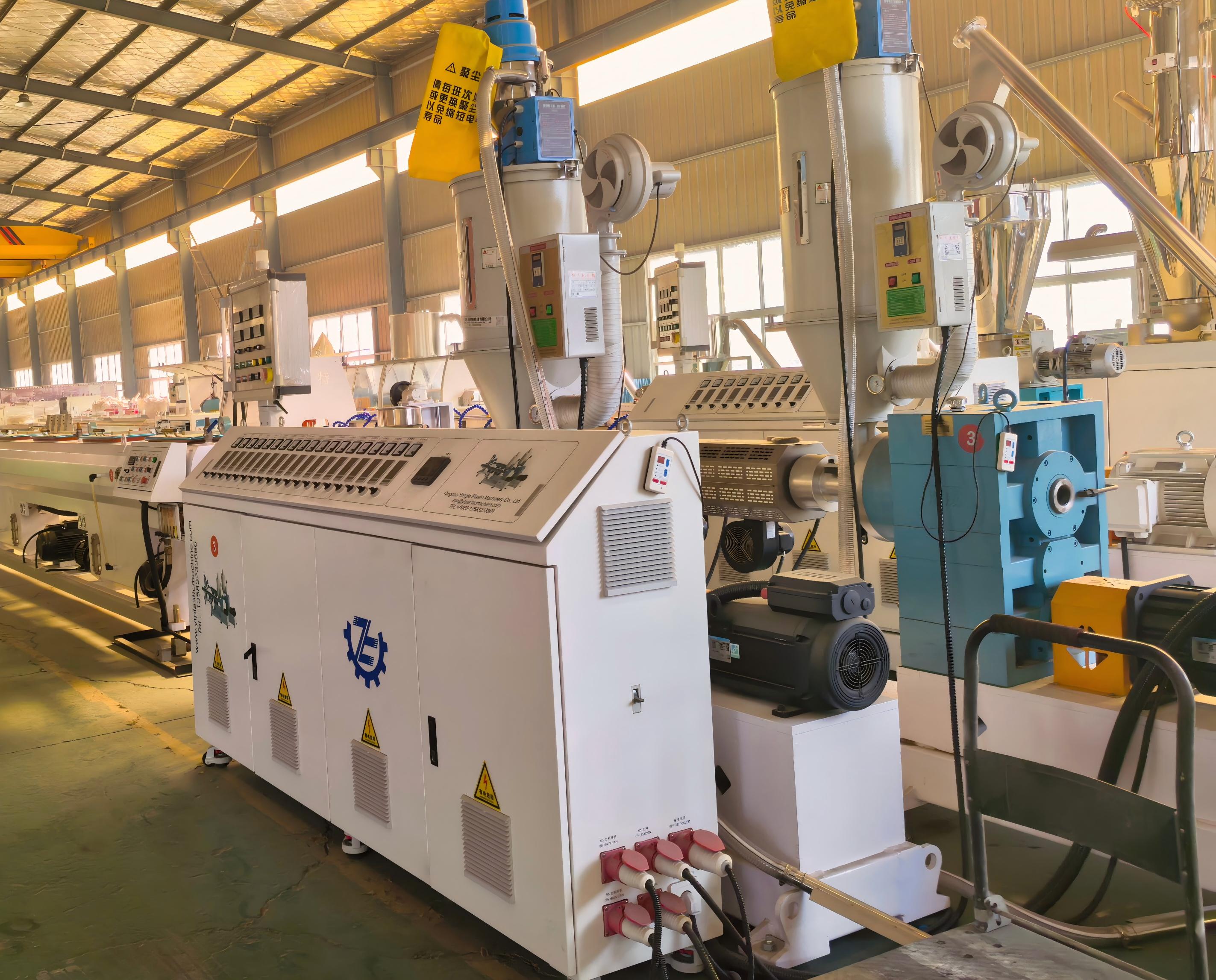

Optimizing WPC Decking Machine Manufacturing: Enhancing Production Efficiency
2026-03-28
In today's competitive manufacturing landscape, optimizing WPC decking machine operations is crucial for boosting productivity and reducing waste. At Yongte, we've witnessed firsthand how targeted improvements can transform production lines—leading to faster outputs, superior quality, and significant cost savings. This blog explores practical strategies to enhance your WPC decking machine efficiency, drawing on real-world insights and innovative approaches. Whether you're a seasoned manufacturer or new to the industry, you'll discover actionable tips to streamline processes and stay ahead of the curve. Dive in to learn how small adjustments can make a big impact on your bottom line.
Advanced Techniques for Precision Cutting in WPC Decking Production
When it comes to wood-plastic composite (WPC) decking, achieving crystal-clear cuts isn't just about finishing touches—it's what sets mediocre projects apart from masterpieces. Think beyond the standard saw; precision here means factoring in material-specific quirks like thermal expansion and filler content. Many pros swear by specialized blades, such as triple-chip grind types, which slice cleanly without fraying edges or melting the plastic matrix. Properly calibrated equipment ensures uniform board lengths, crucial for seamless installations that avoid unsightly gaps or overlaps, making every deck look tailor-made.
In the real world, precision isn't a one-step process but a series of checkpoints. Start with accurate measurements using digital tools like laser guides, which reduce human error and compensate for material variations. Temperature control during cutting can't be overlooked—WPC tends to behave differently in hot versus cold conditions, so adjusting blade speed and feed rates accordingly prevents chipping or warping. Implementing jigs and fixtures for repetitive cuts boosts consistency, turning batch production into a streamlined affair where each plank matches perfectly, down to the millimeter.
What often gets missed is the after-cut care that locks in that precision. Deburring cut edges with specialized routers or sanding tools removes micro-imperfections, ensuring a smooth finish that's safe to touch and visually appealing. Pair this with real-time quality checks using calipers or optical scanners to flag deviations early, preventing waste. By weaving these techniques into your workflow, you're not just cutting boards—you're crafting durable, elegant decks that stand the test of time and weather, with every joint snug and every line crisp.
Streamlining Extrusion Processes to Maximize Output and Quality
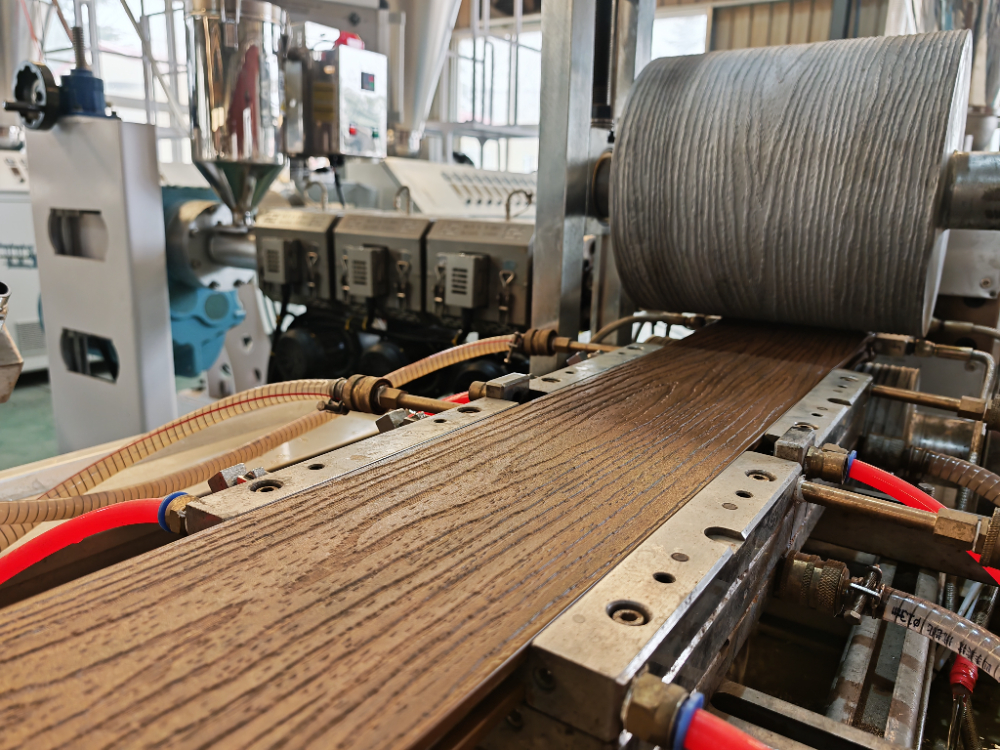
Efficient extrusion processes are the backbone of modern manufacturing, balancing speed with precision. By leveraging advanced control systems and real-time data analytics, production lines can now adapt dynamically to material variations and operational demands. This approach not only boosts throughput but also ensures consistent quality, minimizing waste and rework.
Integrating predictive maintenance with automated monitoring transforms how teams manage equipment uptime and product uniformity. Sensors detect subtle anomalies early, allowing for proactive adjustments before defects emerge. Such innovations create a seamless flow from raw material to finished goods, enhancing both scalability and reliability in competitive markets.
Tailored solutions, like custom die designs and optimized cooling cycles, further refine output performance. By aligning process parameters with specific material properties, manufacturers achieve tighter tolerances and superior surface finishes. This strategic focus on continuous improvement drives long-term efficiency gains while meeting evolving customer expectations.
Innovative Cooling Systems for Durable and Consistent Decking Boards
Innovative cooling systems are revolutionizing the decking board industry by ensuring that boards maintain their structural integrity and aesthetic appeal over time. By incorporating advanced technologies such as phase-change materials and dynamic airflow designs, these systems prevent warping and cracking that often occur under extreme temperature fluctuations. This results in decking boards that not only look consistently beautiful but also stand up to harsh weather conditions, providing homeowners with a reliable and long-lasting outdoor living space. For instance, some manufacturers now use smart cooling panels that adjust in real-time to environmental changes, significantly reducing maintenance needs and enhancing overall durability.
Beyond basic durability, these cooling innovations contribute to a more uniform production process, leading to decking boards with fewer imperfections and higher quality control. Through the use of precise temperature regulation during extrusion or molding, manufacturers can achieve a consistent density and color throughout each board, eliminating common issues like color fading or surface irregularities. This attention to detail means that every piece of decking fits seamlessly together, creating a smooth and cohesive appearance that sets it apart from traditional, less sophisticated options in the market. As a result, users benefit from a polished finish that elevates the overall aesthetic of their outdoor areas.
The focus on innovative cooling systems also extends to eco-friendliness and energy efficiency, making them a smart choice for sustainable building practices. By optimizing cooling processes, manufacturers can reduce energy consumption during production, which not only lowers costs but also minimizes the environmental footprint. Additionally, these systems often incorporate recyclable materials and non-toxic coolants, ensuring that decking boards are safe for both people and the planet. This commitment to green technology appeals to environmentally conscious consumers who seek durable products without compromising on sustainability, offering a compelling advantage over conventional decking solutions that may rely on less efficient methods.
Automated Material Handling Solutions to Reduce Downtime
Automated material handling systems revolutionize industrial operations by minimizing human intervention in repetitive tasks, such as transporting goods or sorting components. This automation directly addresses downtime issues by ensuring continuous workflow, even during peak demand or labor shortages. For example, conveyor belts and robotics can swiftly move materials without breaks, reducing delays caused by manual handling errors or fatigue. By integrating real-time monitoring, these systems can predict potential bottlenecks and adjust processes proactively, helping to maintain a steady pace and avoid costly interruptions that typically plague traditional setups.
Beyond basic transportation, advanced solutions incorporate intelligent software that optimizes routes and schedules based on dynamic conditions, such as fluctuating order volumes or equipment status. This adaptability means that material flow remains uninterrupted even when unexpected changes occur, like a machine failure or a sudden influx of orders. Companies leveraging such technology often report significant reductions in unplanned downtime—sometimes by as much as 30%—as the system can reroute tasks instantly, keeping production lines active and minimizing idle time. By replacing reactive maintenance with predictive analytics, these systems also preemptively address wear and tear, further slashing downtime events.
In practice, implementing automated material handling isn't just about hardware; it's about creating a cohesive ecosystem where sensors, data, and machinery collaborate seamlessly. This synergy enables faster recovery from disruptions, as automated guided vehicles (AGVs) can be redeployed on the fly, and inventory management systems update in real-time to prevent stockouts or overstocking. The result is a resilient operation that thrives under pressure, turning potential downtime into productive uptime and giving businesses a competitive edge through enhanced reliability and efficiency.
Energy-Efficient Practices in WPC Machinery for Cost Savings
Adopting energy-efficient practices in WPC (Wood-Plastic Composite) machinery can lead to substantial cost savings by reducing power consumption and operational expenses. For instance, modern extrusion and compounding equipment often incorporates variable frequency drives (VFDs) that adjust motor speeds based on production demands, minimizing energy waste during low-output phases. Regular maintenance, such as cleaning heating elements and calibrating sensors, ensures optimal performance without unnecessary energy spikes, directly lowering utility bills while enhancing machine longevity.
Beyond basic upgrades, integrating smart control systems allows real-time monitoring of energy usage, enabling operators to identify inefficiencies and fine-tune processes for maximum savings. Some manufacturers retrofit older machinery with energy recovery systems, repurposing waste heat for pre-heating raw materials or facility space, which not only cuts costs but also reduces environmental impact. This holistic approach not only boosts profitability but also aligns with growing industry trends toward sustainable manufacturing, making it a competitive advantage in cost-conscious markets.
To stand out, consider customizing practices like using high-efficiency motors tailored to specific WPC formulations, which can reduce energy consumption by up to 20% compared to standard models. Emphasizing staff training on energy-saving techniques, such as optimizing machine start-up sequences and avoiding idle running, further amplifies savings without major capital investment. By blending technological innovations with practical operational tweaks, businesses can achieve a unique edge in cost reduction while promoting greener production methods.
Real-Time Monitoring and Data Analytics for Predictive Maintenance
Predictive maintenance is revolutionizing industries by shifting from reactive fixes to proactive care, and at its core lies real-time monitoring combined with powerful data analytics. Imagine a manufacturing plant where sensors on critical machinery continuously track parameters like temperature, vibration, and pressure, feeding this data into a central system. This isn't just about collecting numbers; it's about catching subtle anomalies before they escalate into costly failures. By analyzing these real-time streams, companies can spot trends, like a gradual increase in vibration that signals impending bearing wear, allowing maintenance teams to schedule repairs during planned downtimes rather than facing unexpected shutdowns.
What sets this apart from traditional approaches is the depth of insights derived from data analytics. Instead of relying on fixed schedules or generic thresholds, advanced algorithms sift through historical and live data to predict equipment health with remarkable accuracy. For instance, machine learning models can learn from past failures, identifying complex patterns humans might miss, such as correlations between humidity levels and motor performance. This enables not just predictions, but also recommendations—like adjusting operational parameters to extend component life or prioritizing maintenance tasks based on risk scores, ensuring resources are allocated efficiently and minimizing waste.
The real game-changer is how this blend of monitoring and analytics fosters a culture of continuous improvement. With dashboards displaying live insights, teams can make informed decisions on the fly, reducing guesswork and human error. In sectors like aviation or energy, it translates to enhanced safety and reliability, as potential issues are addressed before they compromise operations. Ultimately, by harnessing real-time data, organizations move beyond mere maintenance to optimize overall performance, driving innovation and building a resilient, future-proof infrastructure that adapts dynamically to changing conditions.
FAQ
Key factors include raw material consistency, machinery calibration, operator skill, maintenance schedules, and energy consumption patterns, all of which influence throughput and quality output.
Automation can be implemented through robotic material handling, real-time quality sensors, and automated process controls, leading to reduced labor costs and minimized human error in production.
Material selection impacts efficiency by affecting processing speed and durability; using high-quality, uniform wood-plastic composites can reduce machine wear and improve extrusion consistency.
Yes, regular cleaning of extrusion parts, lubrication of moving components, and timely replacement of worn-out parts help prevent downtime and maintain optimal machine performance.
Innovations include AI-driven predictive maintenance, energy-efficient heating systems, and advanced cooling technologies, which collectively enhance speed and reduce operational costs.
Efficiency can be tracked using metrics such as output per hour, defect rates, and energy usage per unit, with data analytics tools providing insights for continuous improvement.
Challenges include adapting to varying material types and scaling production; solutions involve flexible machine designs, staff training, and incremental upgrades based on performance data.
Conclusion
Optimizing WPC decking machine manufacturing hinges on integrating advanced techniques at every production stage, each contributing to enhanced efficiency. Precision cutting methods ensure minimal material waste and consistent board dimensions, directly supporting quality and output goals. Simultaneously, streamlining extrusion processes allows manufacturers to achieve higher throughput while maintaining structural integrity and surface finish. Innovative cooling systems further bolster durability by preventing warping and ensuring uniformity across decking boards, making end-products more reliable for outdoor applications. Together, these elements form a cohesive approach that reduces defects, speeds up production cycles, and elevates overall operational performance.
Beyond core production steps, automation and smart practices amplify efficiency gains. Automated material handling solutions cut downtime significantly by minimizing manual interventions and streamlining logistics between stages. Energy-efficient practices in machinery operation lower operational costs, aligning economic and environmental benefits. Incorporating real-time monitoring with data analytics enables predictive maintenance, where potential issues are flagged before they cause disruptions. This proactive stance not only sustains machine longevity but also ensures continuous, uninterrupted production. By blending these advanced techniques—from cutting-edge cooling methods to data-driven maintenance—manufacturers can create a robust, efficient system that maximizes both output and product quality in WPC decking production.
Contact Us
Contact Person: Ms Qin
Email: [email protected]
Tel/WhatsApp: 8613583233866
Website: https://www.yongteplast.com