

Silicon Steel Imports: Essential Guide for Manufacturing and Industry
2026-03-27
In the bustling world of manufacturing and industry, the quest for high-quality materials is relentless. Silicon steel, a cornerstone in electrical applications, plays a pivotal role in powering modern innovations. This guide delves into the intricacies of silicon steel imports, offering insights for businesses aiming to optimize their supply chains and enhance operational efficiency. As you explore these essential strategies, consider how partners like Jiangsu Baowu New Materials are leading the charge in delivering reliable, top-tier materials that drive progress and sustainability. Whether you're a seasoned engineer or a procurement specialist, this blog will equip you with the knowledge to navigate the global market with confidence and foresight.
Understanding Silicon Steel's Role in Modern Manufacturing
Silicon steel, often overlooked in the flashier world of materials science, quietly underpins much of modern industry. Its unique properties—specifically, high magnetic permeability and low core loss—make it indispensable in electrical applications. Unlike other steels, the addition of silicon reduces eddy current losses, allowing for efficient energy transfer in transformers, motors, and generators. This means that from power grids distributing electricity across cities to the tiny motors in household appliances, silicon steel ensures minimal energy waste, contributing directly to sustainability efforts by improving overall efficiency.
Beyond its electrical prowess, silicon steel's role extends into the heart of manufacturing innovation. In automotive production, for instance, it's used in electric vehicle (EV) drivetrains and charging infrastructure, where every percentage point of efficiency gain translates to longer battery life and reduced environmental impact. The material's ability to withstand high temperatures and mechanical stress also makes it ideal for industrial machinery, supporting everything from automated assembly lines to renewable energy systems like wind turbines. This versatility underscores how a seemingly simple alloy can drive advancements across multiple sectors, enabling smarter, greener technologies.
Crucially, the evolution of silicon steel reflects ongoing research to meet modern demands, such as thinner gauges and improved coatings that enhance performance in compact devices. As industries push for greater electrification and energy savings, this material adapts, proving that foundational components like silicon steel are not static but dynamic enablers of progress. Its story is one of quiet innovation, where material science meets practical necessity to power the world reliably and efficiently.
Key Factors When Importing Silicon Steel for Industrial Use
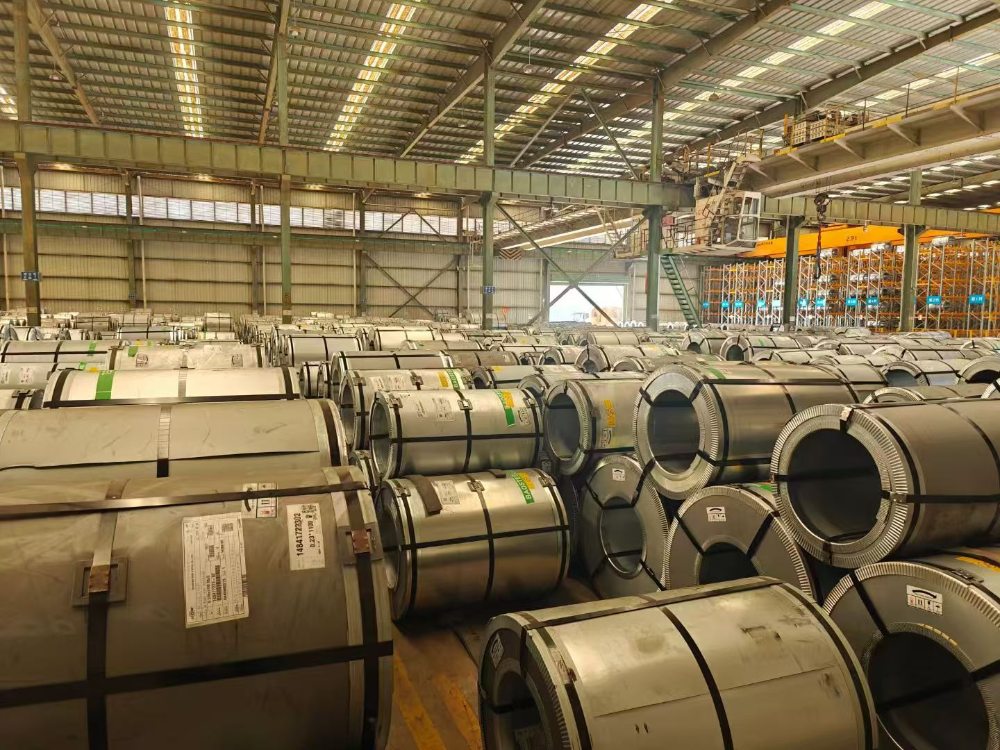
When sourcing silicon steel from international suppliers, one of the first considerations is the material's grade and composition. Industrial applications often demand specific silicon content—typically between 0.5% and 4.5%—to achieve desired magnetic properties like high permeability and low core loss. It's not just about hitting a number; you need to verify that the steel’s chemical makeup aligns with your project's requirements, whether it’s for transformers, motors, or generators. Don’t overlook minor elements like carbon or aluminum, as they can subtly affect performance under operational stresses.
Beyond specs, thickness and coating quality can make or break a batch. Variations in gauge tolerance might seem minor, but in high-precision manufacturing, even a slight deviation can lead to inefficiencies or equipment failure. Look for suppliers who provide detailed mill test reports and consider factors like insulation coatings—are they uniform and durable enough to prevent eddy currents? It’s worth requesting samples to test under real-world conditions, rather than relying solely on paper certifications.
Logistics and compliance add another layer of complexity. Importing involves navigating tariffs, shipping methods, and lead times, which can impact cost and availability. Check if the steel meets international standards like ASTM or IEC, and ensure proper documentation to avoid customs delays. Building a relationship with a reliable supplier who understands these nuances can streamline the process, turning potential headaches into smooth transactions that keep your production lines running.
Global Suppliers and Quality Standards for Silicon Steel Imports
When sourcing silicon steel for electrical applications, importers often turn to a diverse range of global suppliers, with major players including companies in Japan (like Nippon Steel), South Korea (such as POSCO), and Europe (e.g., ThyssenKrupp). Beyond these, emerging markets like China have also ramped up production, offering cost-effective alternatives that can meet basic specifications. However, navigating this global landscape requires careful vetting to ensure consistent material properties—such as core loss and permeability—which can vary significantly between manufacturers due to differences in rolling techniques and alloy compositions.
Quality standards play a pivotal role in this process, as they help mitigate risks associated with supplier variability. Widely recognized benchmarks include the ASTM A876 standard in the United States, which specifies grades for grain-oriented silicon steel, and the IEC 60404 series internationally, covering magnetic materials. Some importers may also reference JIS standards from Japan or DIN norms from Germany, depending on their target markets or application requirements. Adhering to these standards isn't just about compliance; it ensures the steel performs reliably in transformers or motors, reducing energy losses and enhancing longevity over time.
To truly stand out in this field, savvy importers go beyond mere certification checks by fostering direct relationships with suppliers and conducting on-site audits. They might prioritize suppliers who invest in advanced production technologies, like continuous annealing lines, which yield more uniform grain structures. Additionally, considering environmental factors—such as a supplier's commitment to sustainable practices—can add value, especially as industries push for greener materials. By blending rigorous quality assessments with strategic sourcing, businesses can secure superior silicon steel that meets both technical specs and broader operational goals.
Cost and Logistics Considerations in Silicon Steel Sourcing
When sourcing silicon steel, cost factors extend beyond the initial purchase price to include production expenses like rolling and annealing, which can significantly impact overall budgets. Logistics considerations often involve optimizing transportation routes and handling specialized packaging to prevent damage during transit, as delays or mishandling can lead to project setbacks. Suppliers with efficient supply chains may offer competitive rates, but it's crucial to evaluate hidden costs such as import duties or storage fees in warehouses.
Diverse sourcing strategies, such as partnering with local mills or exploring global markets, can uncover cost efficiencies, but they require balancing risks like currency fluctuations and geopolitical uncertainties. Logistics complexities, including coordinating multi-modal shipments or navigating customs regulations, add layers of cost that must be factored into procurement plans. A focus on long-term partnerships with reliable vendors can streamline logistics and reduce unexpected expenses over time.
Implementing just-in-time inventory practices may lower storage costs but demands precise logistics coordination to avoid stockouts. By integrating cost analysis with logistical foresight, businesses can mitigate risks and enhance sourcing resilience in dynamic market conditions.
Practical Tips for Integrating Silicon Steel into Production Lines
Integrating silicon steel into production lines demands careful planning to ensure efficiency and quality. Start by evaluating your current setup—consider factors like machinery compatibility, space constraints, and workflow bottlenecks. Often, the best approach is a phased implementation, allowing for adjustments without halting operations. For instance, you might begin with a pilot line to test handling and processing before a full-scale rollout, reducing risks and downtime.
Pay close attention to material handling, as silicon steel is sensitive to scratches and bends that can degrade its magnetic properties. Investing in automated systems with soft-touch grippers or conveyor belts designed for delicate metals can prevent damage during transport. Additionally, maintain a clean environment to avoid contamination from dust or oils, which might affect electrical insulation and performance in the final product.
Training your team is another critical step; ensure operators understand the unique characteristics of silicon steel, such as its high permeability and brittleness. Regular maintenance checks on equipment like rolling mills and annealing furnaces help maintain consistency in thickness and grain structure. By fostering a culture of attention to detail, you can optimize production speed while upholding stringent quality standards.
Environmental and Regulatory Impacts on Silicon Steel Trade
In recent years, the global trade of silicon steel has been increasingly shaped by stringent environmental regulations and shifting regulatory frameworks. Countries and regions such as the European Union and China have implemented policies like carbon emission caps and green procurement standards, directly affecting production costs and market access for silicon steel manufacturers. For instance, higher energy efficiency requirements in electrical applications compel producers to adopt cleaner technologies, which can lead to increased expenses but also drive innovation in sustainable manufacturing practices. This regulatory pressure not only influences domestic markets but also creates ripple effects across international trade routes, as non-compliant goods face tariffs or restrictions.
Beyond direct regulations, environmental concerns are prompting a reevaluation of supply chain logistics and material sourcing in the silicon steel industry. The reliance on mining for raw materials like iron ore and silicon raises issues related to biodiversity loss and pollution, leading to tighter oversight and potential trade barriers. As a result, companies are exploring circular economy models, such as recycling scrap silicon steel, to mitigate environmental footprints and comply with emerging green trade agreements. These shifts are fostering new alliances and competitive dynamics, with some regions gaining a trade advantage by aligning with eco-friendly standards, while others struggle to adapt.
Moreover, the interplay between environmental policies and trade deals is creating a complex landscape where silicon steel markets must navigate both local and global pressures. For example, international agreements like the Paris Climate Accord and regional initiatives such as the US-Mexico-Canada Agreement include provisions that impact cross-border flows of this specialized steel. Market prices and trade volumes are increasingly sensitive to regulatory changes, with fluctuations often tied to the adoption of renewable energy technologies where silicon steel is used in transformers and motors. This evolving scenario underscores the need for agile strategies among stakeholders, from producers to policymakers, to ensure that trade remains resilient amidst growing environmental and regulatory demands.
FAQ
Silicon steel is a specialized type of steel alloyed with silicon, valued for its high magnetic permeability and low electrical losses, making it crucial for applications like transformers, motors, and generators in industries.
By reducing core losses and improving energy efficiency, silicon steel enhances the durability and operational reliability of electrical devices, leading to cost savings and better environmental compliance in industrial settings.
Importers should assess quality standards, pricing fluctuations, lead times, transportation logistics, and compliance with international trade regulations to ensure a smooth and profitable supply chain.
Countries like China, Japan, South Korea, Germany, and the United States are leading producers, offering diverse grades and quantities to meet global manufacturing demands.
Common challenges include tariff barriers, customs delays, quality discrepancies, currency exchange risks, and adapting to varying industry specifications across different regions.
Businesses can optimize by conducting thorough market research, building strong supplier relationships, implementing quality control measures, and integrating the steel efficiently into their production workflows.
Conclusion
Silicon steel plays a critical role in modern manufacturing, particularly in electrical applications, where its magnetic properties enhance efficiency in transformers, motors, and generators. Understanding this material's significance helps industries optimize performance and reduce energy consumption. When importing silicon steel, key factors include sourcing from reliable global suppliers and adhering to international quality standards like IEEE and IEC, ensuring consistency for industrial use.
Practical integration into production lines requires considering cost, logistics, and supply chain resilience, while navigating environmental regulations that impact trade. By addressing these aspects, manufacturers can effectively incorporate silicon steel, driving innovation and sustainability in various sectors. This guide emphasizes a holistic approach, balancing technical requirements, economic considerations, and compliance to support efficient and responsible industry practices.
Contact Us
Contact Person: Zoe Liang
Email: [email protected]
Tel/WhatsApp: 86 189 2128 6299
Website: https://www.baowuchina.com