

Top Decorative Flowers That Will Brighten Any Space
2026-09-19
Few things transform a room as effortlessly as the right decorative flowers. Whether you're refreshing a cozy reading nook or styling a sunlit entryway, the perfect blooms add color, texture, and a quiet sense of life. At PHLEEYA, we believe every space deserves a touch of nature's charm. In this guide, we'll walk you through our favorite decorative flowers that instantly brighten any corner — from sculptural stems to soft, romantic petals. Get ready to see your interiors in a whole new light.
Blooms That Bounce Back After a Missed Watering
Some flowering plants seem to forgive a forgotten watering far more gracefully than others. Geraniums, for instance, might droop dramatically when their soil turns bone-dry, but give them a thorough soak and within hours they're standing tall again, petals unruffled. Marigolds and zinnias behave much the same way — a brief wilt is simply their way of saying they're thirsty, not a death sentence. These resilient bloomers have evolved to handle sporadic rainfall, storing just enough moisture in their stems and leaves to ride out a short dry spell.
If you tend to let the watering can gather dust between sessions, lean toward plants like cosmos, blanket flower, or perennial salvias. They won't hold a grudge after a missed week; instead, they'll push out fresh buds once you finally remember to water deeply. The key is to avoid turning neglect into a habit — even tough bloomers will eventually sulk if left parched for weeks on end. But for the occasional lapse, these flowers bounce back with a resilience that makes them perfect for busy or forgetful gardeners.
Color Combinations That Make Neutral Rooms Feel Intentional
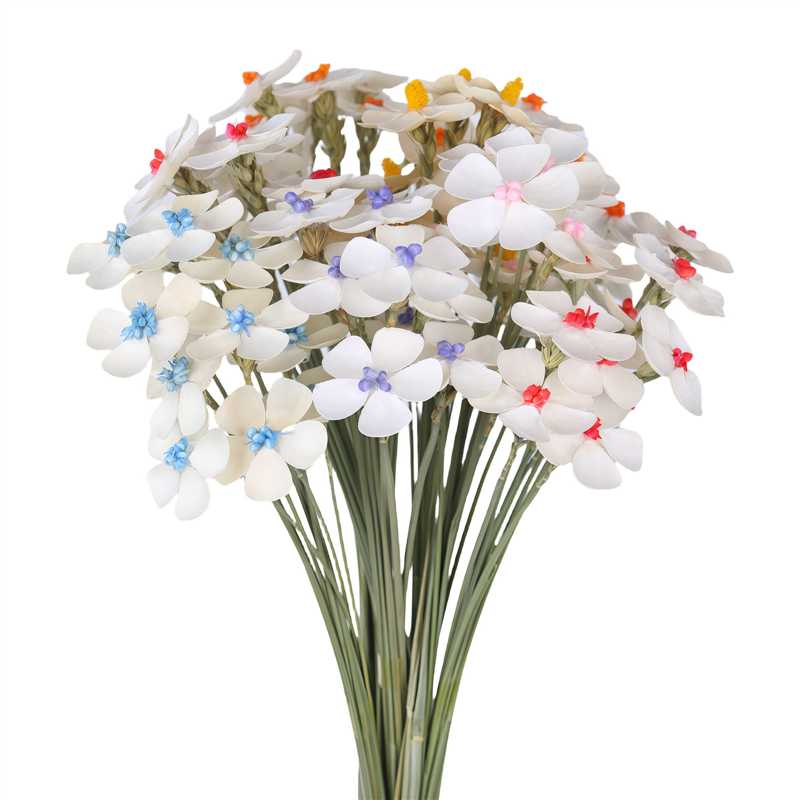
A beige room stops reading as unfinished when you introduce a single earthy accent that shares its temperature. Try a soft clay or saddle brown against a wall of warm ivory, then repeat the hue in a woven throw or the narrow frame of a side table. The repetition is what makes the choice feel deliberate rather than accidental.
For cooler neutrals, skip the expected gray-on-gray and reach for a faded olive or deep petrol. These colors carry enough weight to anchor the space but stay muted enough to keep the calm. Use them where the eye naturally lands: a low bench, a painted interior door, or a narrow band of trim.
The trick is not adding more color; it is picking one secondary tone and letting it run through the room like a quiet thread. When every accent belongs to the same family, even a mostly white space feels considered.
Tall Stems That Fill Empty Corners Without Clutter
A single tall-stemmed plant—think a fiddle leaf fig with its lower leaves stripped away, or a slim dracaena—does more for an awkward corner than a cluster of small pots ever could. The trick is choosing something with an unbroken vertical line and letting the empty space around it do the work. No filler, no companion plants, just one strong silhouette rising from a simple, low planter.
Tall stems also break up the horizontal monotony of a room without shouting for attention. A bare stretch of wall suddenly feels intentional when a snake plant or an olive tree reaches up from the floor, its leaves catching light well above eye level. The key is restraint: prune lower growth so the stem stays visible, and keep the pot wide and grounded rather than tall and fussy.
Fragrant Picks That Double as Natural Air Fresheners
A pot of sweet jasmine near a sunny window does more than look pretty—it pumps out a soft, honeyed scent that drifts through the room, especially after dark. Unlike canned sprays that hit you all at once, jasmine works slowly, releasing its perfume in waves as the tiny white blossoms open. Snip a few sprigs for a bedside vase and the bedroom feels less like a stuffy box and more like a garden after rain.
Rosemary and mint are the quiet workhorses. Brush your hand over a rosemary plant on the kitchen sill and the air fills with a sharp, clean, almost pine-like snap that cuts through cooking odors. Mint does the same with a cooler, sweeter edge, and both keep giving off scent for hours after you touch them. They ask for little beyond a bright spot and a drink now and then, but they pay rent in fragrance every single day.
For a deeper, creamier note, try a compact eucalyptus or a night-blooming orchid like Brassavola nodosa. Eucalyptus leaves carry that spa-like menthol clarity, and a small bunch hanging in the shower turns steam into an instant aromatherapy session. Brassavola, on the other hand, waits until evening to pour out a rich, lily-citrus perfume that can fill an entire living room from one pot. None of these need plug-ins or batteries—just a little light and water, and the house starts to breathe on its own.
Low-Light Lovelies for Windowless Bathrooms and Hallways
It’s easy to assume that a windowless bathroom or hallway is off-limits for plants, but a surprising number of species actually thrive in low light. Many of these lovelies hail from the shaded understories of tropical forests, where they’ve adapted to dappled or minimal sunlight. Not only do they survive in dim corners, they often look their best there—developing deeper green hues and staying compact and lush.
Take the snake plant, for instance—it’s practically indestructible and can go weeks without water, making it perfect for a hallway where it might be forgotten. ZZ plants are another winner; their glossy, waxy leaves reflect even the faintest artificial light, and they tolerate drought like champions. For bathrooms, ferns like the bird’s nest fern or the Boston fern love the humidity from showers and don’t mind the lack of direct sun. Pothos and heartleaf philodendron are also fantastic trailing options that can be trained along shelves or hung from the ceiling to add vertical interest without needing a window.
One key to success with these low-light beauties is restraint with watering. In the absence of strong light, plants photosynthesize slowly, so their soil stays moist longer—overwatering is the quickest way to kill them. Let the top inch or two of soil dry out between drinks, and consider using a pot with drainage holes. If your space feels especially cave-like, a small grow light on a timer can work wonders, but many of these plants will chug along just fine with the ambient light from adjacent rooms or a few hours of lamp light daily. The result? A hallway or bathroom that feels alive and inviting, no windows required.
Arrangements That Last Twice as Long With One Simple Trick
Anyone who's bought fresh flowers knows the disappointment: you arrange them in a vase, and within three or four days the stems droop and the petals start to brown. Most advice—change the water, trim the stems, keep them out of direct sun—barely buys you an extra day. The real culprit isn't just wilting; it's the bacteria and fungi that clog the stem ends and speed up decay.
What actually works is almost laughably simple: drop a single uncoated aspirin tablet into the water before you arrange the stems. Aspirin contains salicylic acid, the same compound plants produce when they're stressed. In cut flowers, it closes the pores on leaves and stems, slowing water loss, and it suppresses the microbial growth that makes the water murky and foul. This dual action keeps stems drinking freely and keeps the water cleaner, so blooms stay turgid and vibrant much longer.
Crush the aspirin, stir it into lukewarm water until it dissolves, and then place your stems as normal. Every two or three days, pour out the old water, rinse the vase, recut the stem ends at an angle, and refill with fresh aspirin water. It's a tiny effort for a noticeable payoff—roses, lilies, and even grocery-store carnations often stay perky for two weeks or more, effectively doubling their usual lifespan.
FAQ
Try 'Black Velvet' petunias paired with lime-green nicotiana. The deep purple blooms seem to glow against dark foliage, and the nicotiana's chartreuse trumpets catch even the faintest light. A glass vase with a single stem of white anemone also works wonders—the dark center draws the eye and makes the white petals appear brighter.
Look for sturdy stems that don't ooze milky sap when cut—chrysanthemums, alstroemeria, and carnations are your best bets. Change the water every two days, recut the stems at a sharp angle under running water, and keep them away from fruit bowls. Ethylene gas from ripening apples or bananas will wilt petals overnight.
You don't need sunshine to enjoy color. Forced hyacinths in glass vases bloom on a windowsill that gets only indirect light, and their fragrance fills a room. Paperwhites are another option—they'll grow in just pebbles and water, and their white star-shaped clusters look crisp against a dark wall.
Absolutely. African violets are compact and will rebloom repeatedly on a bright shelf if you water from the bottom. For a tropical punch, try anthuriums—their glossy red or pink spathes last for months and need only weekly watering. Both thrive in ordinary indoor temperatures and don't demand direct sun.
Kangaroo paw and statice are nearly indestructible. Kangaroo paw's fuzzy, tubular blooms in orange or red hold up for two weeks in a vase even if you forget to change the water. Statice can be dried right in the vase—once the water evaporates, the papery flowers remain colorful for months as a permanent arrangement.
Use an odd number of stems—say five or seven—and cut them at different heights. Remove all leaves below the waterline, then place the tallest stem slightly off-center, not in the middle. Spiral the next stems around it like a pinwheel, letting each head face outward at a different angle. A monochromatic bunch of ranunculus done this way looks far more expensive than a mixed bouquet.
Stock is the hidden gem. Its tightly clustered blooms come in deep magenta, lavender, and cream, and just three stems can perfume a whole living room. For something lighter, try sweet peas—their ruffled petals in coral, violet, and blush pink smell like honey and orange blossom. Both last about five days in a cool spot away from heaters.
Conclusion
Bringing life into a dim hallway or a forgetful plant parent’s living room doesn’t have to mean fussy care. Hardy choices like geraniums, kalanchoe, and ZZ plants quietly tolerate a missed watering and still push out cheerful blooms or glossy leaves. For those windowless bathrooms and narrow foyers, low-light lovers such as peace lilies, moth orchids, and pothos thrive where sunlight barely reaches, turning neglected corners into soft green accents. Tall stems like gladiolus, snapdragons, and delphiniums do the heavy lifting in empty corners—no side tables or shelves required. They draw the eye upward and make a room feel taller without adding visual clutter, especially when placed in a slim floor vase.
Color is another powerful tool. Pairing blush roses with deep eucalyptus or coral ranunculus with navy accents gives neutral rooms a deliberate, styled feel rather than an afterthought. If you want fragrance without a plug-in, lavender, jasmine, and scented geraniums release a gentle scent that freshens the air naturally while they bloom. To keep any of these arrangements looking fresh twice as long, try one simple trick: trim the stems at a sharp angle every two days, replace the water, and add a tiny splash of lemon-lime soda or a few drops of bleach. This tiny habit slows bacterial growth and keeps petals firm. With the right mix of resilience, height, scent, and color, even the dullest room can feel brighter and more welcoming.
Contact Us
Contact Person: Mr. Luo
Email: [email protected]
Tel/WhatsApp: 86 18100895505
Website: https://www.feiliyaflowers.com/en/