
Top Waxed Corrugated Boxes for Durable Packaging Needs
2026-06-17
When it comes to protecting your products during transit or storage, nothing beats the resilience of waxed corrugated boxes. These heavy-duty champions resist moisture, withstand rough handling, and keep contents secure in demanding environments. At ShiTeng Packaging, we've tested countless solutions, and our top picks for durable waxed boxes are changing the game for businesses that refuse to compromise on quality. Curious about which options truly deliver? Let's dive into the boxes that combine strength, longevity, and smart design.
Beyond Cardboard: The Engineering of Waxed Corrugated Strength
Waxed corrugated begins its transformation from mundane paper fibers through a precise saturation process that fundamentally alters moisture resistance and structural integrity. Hot paraffin or a blend of waxes permeates the fluted medium and liners, filling microscopic voids that would otherwise wick water and weaken bonds. This isn’t a simple surface coating; it’s a deep infusion that locks fibers into a rigid, hydrophobic lattice, turning paper into something akin to a lightweight composite.
The real genius lies in how the fluted arch geometry interacts with the wax-treated fibers. Under load, the arches distribute stress along their curves, and the wax prevents the fibers from flexing and snapping under humid or cold conditions. The coating also reduces friction at fiber junctions, allowing the structure to absorb impacts without cracking, a critical edge during rough transport where dry cardboard would buckle.
What often goes unnoticed is the tuning of the wax formulation itself—balancing flexibility with hardness, melt point with brittleness. Engineers tweak paraffin blends and emulsifiers so the board stays rigid enough for stacking yet yields just enough to survive sudden blunt force. The result is a material that behaves more like a resilient construction component than what most would recognize as cardboard, quietly challenging assumptions about paper-based packaging.
How Moisture Resistance Saves Your Shipments
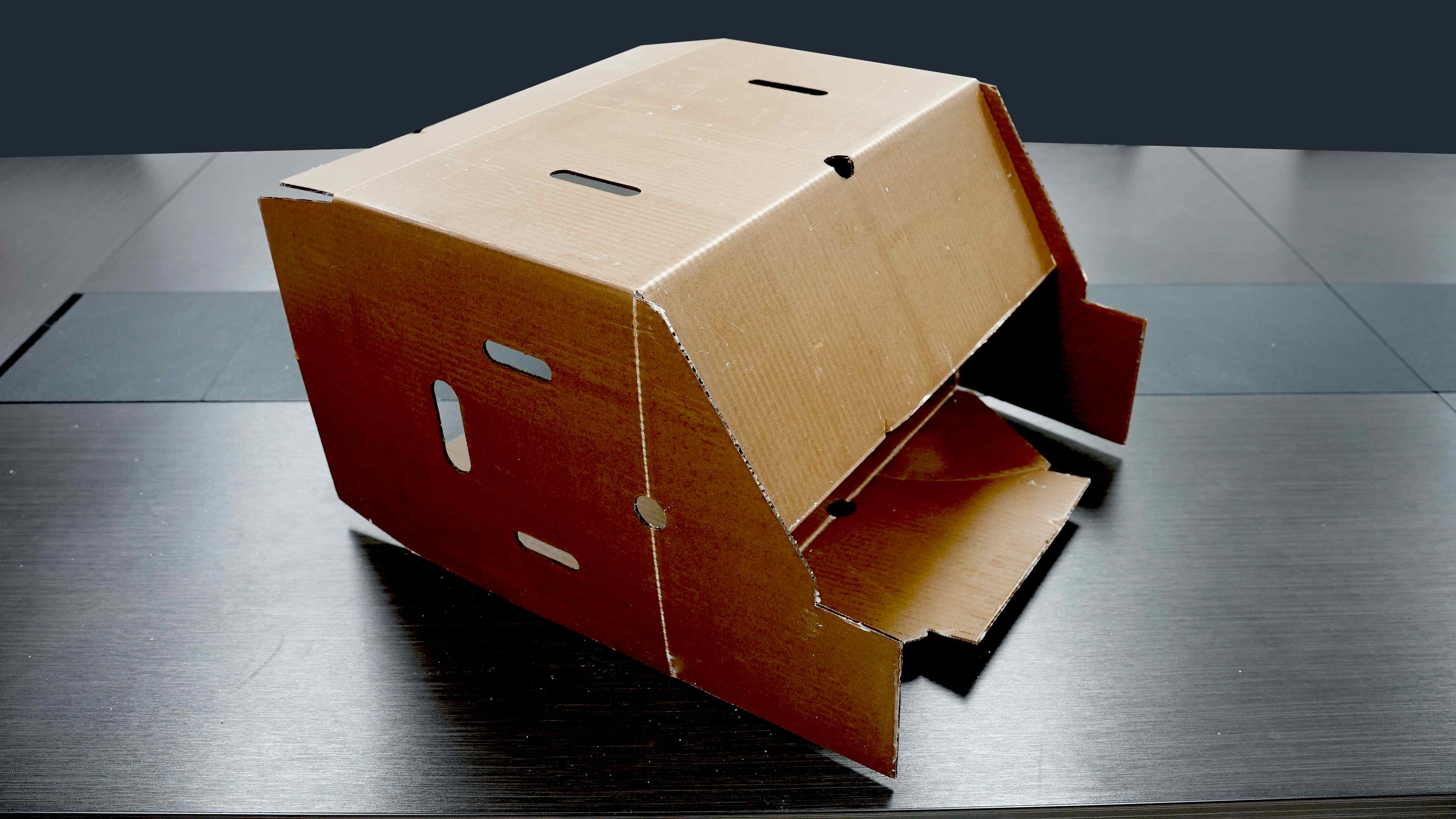
Moisture is one of the most underestimated threats in logistics. It doesn’t just dampen cardboard—it quietly corrodes metal parts, warps wooden pallets, and breeds mold that can render entire batches of goods unsellable. When shipments travel through fluctuating climates, condensation forms inside containers like clockwork, turning a routine delivery into a costly insurance claim. Effective moisture resistance isn’t a luxury; it’s a frontline defense that preserves product integrity from warehouse to final destination.
Beyond the obvious physical damage, moisture silently eats into your bottom line through hidden costs. Returns, replacements, and lost customer trust often trace back to humidity-related failures that no amount of packaging tape can fix. Desiccants, barrier materials, and humidity indicators work together to create a dry microclimate that halts corrosion before it starts. The payoff isn’t just intact shipments—it’s uninterrupted supply chains, happier clients, and a reputation that withstands the storm.
Custom Wax Coatings: Finding Your Perfect Match
Wax coatings aren’t just a one-size-fits-all finish—they’re a tactile layer that can completely shift the personality of a piece. When you start thinking about custom wax, you’re really tuning into how the patina will age, how the light catches subtle texture, and how the surface feels under your fingertips. It’s a conversation between the material and your hand.
The trick to narrowing down what you love is to test drive a few odds and ends. Don’t just rely on a swatch card—rub a dark wax into a carved crevice of scrap wood, or try a white wax over vibrant chalk paint to see the ghostly drift it creates. Pay attention to how the wax grabs or glides depending on the porosity of the surface underneath. A limewash effect that looks dreamy online might fall flat on your specific project, and that’s okay—it’s all part of getting it personalized.
Finally, think less about trends and more about the story you want the finish to tell. Maybe it’s the blurred, timeworn edges of an antique mirror, or the soft, hazy bloom on a fresh plaster wall. Custom wax coatings let you dial into that nuance. Blend a couple of shades together, work in thin layers, and step back often. The right match is the one that makes you run your hand over the dried surface and smile without a second thought.
Top Industries That Trust Waxed Boxes for Heavy Loads
Waxed boxes have become the unsung heroes of industrial packaging, quietly supporting some of the toughest supply chains on the planet. In automotive manufacturing, for instance, parts like brake rotors and engine blocks demand containers that won't buckle under extreme weight or degrade when exposed to oils and lubricants. The moisture-resistant wax coating keeps the structural integrity of the box intact even in damp warehouse environments, making it a go-to choice for logistics managers who can't afford a mid-transit collapse.
The agricultural sector leans heavily on these boxes during harvest seasons, when tons of fresh produce need to be shipped from field to processing plant without bruising or spoilage. Citrus fruits, potatoes, and even bulky melons get stacked high on pallets, and only a container with water-repellent properties can handle the condensation from cold storage without turning into mush. Farmers and distributors rely on that wax layer to keep the box rigid from the first mile all the way to the distribution center.
Beyond food and auto parts, there's a less obvious but equally critical niche: bulk mail and publishing. Print runs of catalogs, textbooks, or direct mail pieces can weigh thousands of pounds, and when they're loaded onto trucks for cross-country delivery, standard cardboard just won't cut it. Waxed boxes resist the friction and compression of long-haul transport, protecting the contents from scuffs and tears so the printed materials arrive in showroom condition. It's a quiet endorsement from an industry where damage means lost ad revenue and customer dissatisfaction.
The Unseen Benefits of Waxed Corrugated in Cold Storage
When temperatures drop and humidity spikes, standard cardboard quickly loses its fight. Waxed corrugated, however, draws on a quiet resilience—its wax coating acts as a moisture barrier that keeps boxes rigid and dry even in prolonged cold storage. This isn’t just about preventing soggy collapses; it’s about preserving the integrity of stacked inventory, ensuring that products stay protected without the constant need for repackaging.
Beyond structural strength, waxed corrugated plays a subtle role in temperature management. The wax layer offers a modest insulative effect, helping to dampen thermal swings inside walk-in coolers. While not a replacement for proper refrigeration, this buffer can reduce compressor cycles, trim energy usage, and most importantly, extend the shelf life of perishables by maintaining a more consistent environment around them. It’s a small detail that quietly keeps operations running smoother.
Debunking the Myths: Are Waxed Boxes Eco-Friendly?
It’s a common assumption that waxed boxes are an environmental nightmare, simply because the coating makes them impossible to recycle. But that picture is outdated. The waxes used today—often natural, soy-based or paraffin blends—are designed to break down more readily in the pulping process, and many modern recycling facilities are equipped to handle them. In fact, a coated box that resists moisture and grease can skip the plastic liner altogether, slashing the overall material footprint. So before you toss that takeout container into the trash out of guilt, it’s worth checking local guidelines: you might be discarding a perfectly recoverable resource.
Beyond recyclability, consider the bigger picture. Waxed boxes extend the shelf life of fresh produce and chilled goods, which means less food ends up rotting in landfills—a far more potent source of methane than any coating could ever be. Life cycle analyses consistently show that the energy and emissions saved by preventing food waste dwarf the impact of a thin wax layer. And when you factor in that the base cartonboard comes from fast-growing, certified forests that actively pull carbon from the atmosphere, the eco-balance tilts even further. The real myth is that sustainability is a simple on-off switch; in the case of waxed boxes, the nuance makes all the difference.
FAQ
They are standard corrugated boxes that have been coated or impregnated with wax, typically paraffin, to boost moisture resistance and structural integrity.
They shine in cold storage, fresh produce shipping, or any situation where boxes face high humidity, condensation, or direct contact with water or ice.
The wax fills the paper fibers and flute spaces, dramatically reducing moisture absorption. This keeps boxes from softening or collapsing when wet, maintaining stacking strength.
Yes, you'll find full dip (boxes submerged in wax), curtain coated (thin layer applied), and impregnated methods, each offering different levels of protection and cost.
Absolutely. Most suppliers offer custom die-cut options, so you can get waxed boxes designed to fit unique product dimensions or internal dividers for fragile items.
Key factors are consistent wax coverage, food-grade certification if needed, ability to handle your order volume, and proven performance under your typical shipping conditions.
Traditional paraffin wax limits recyclability, but newer bio-based waxes and recyclable water-resistant coatings are emerging as eco-friendlier options without sacrificing durability.
Consider total cost and workflow. Waxed boxes save labor and ensure full coverage, while liners are cheaper upfront but add packing time and may not offer uniform protection.
Conclusion
Waxed corrugated boxes elevate packaging far beyond ordinary cardboard by blending robust structural engineering with advanced moisture resistance. The infusion of wax into the corrugated fibers reinforces the board, allowing these containers to withstand crushing pressures and retain their shape under immense weight. This strength isn’t just about thickness—strategic flute profiles and custom wax formulations create a shield that protects shipments from humidity, rain, and condensation. Whether you’re shipping delicate electronics or bulky auto parts, the tailored coatings ensure a perfect balance between rigidity and pliability. Industries ranging from meatpacking to heavy machinery have long trusted these boxes for their ability to endure rugged transport without sacrificing product integrity, proving time and again that waxed corrugated is the go-to solution for challenging logistics.
Beyond sheer durability, waxed boxes shine in cold storage environments where standard cartons would quickly weaken from moisture and temperature shifts. The wax barrier prevents soggy breakdown, keeping contents safe in freezers or refrigerated trucks. There’s also a quiet eco-friendly narrative: contrary to persistent myths, waxed boxes are often recyclable and can be sourced from renewable materials, with modern innovations reducing environmental impact. Their reusability adds another layer of value, offering businesses a sustainable option that doesn’t compromise on performance. From minimizing cargo damage to adapting to climate-controlled supply chains, the hidden perks of waxed corrugated make it an unsung hero in durable packaging. The next time you need reliability, look past the surface—these boxes are engineered to handle the toughest jobs while respecting both your products and the planet.
Contact Us
Contact Person: Mr. Ge Man
Email: [email protected]
Tel/WhatsApp: 8613710506492
Website: https://www.shitengzx.com